Parent Bite
About School Sealant Programs
If you’re a parent, it’s likely that your child has, at one point, brought home a school sealant program consent form. Schools screen students for several health indicators, like vision and hearing, so it can be confusing and potentially overwhelming to receive yet another form to sign. So, what exactly are school sealant programs and why are they important?
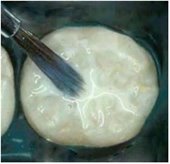
While each program may be executed differently, a school-based sealant program will provide dental sealants free of charge to students, using portable dental equipment in a school setting. Dental sealants are thin but durable plastic coatings applied to the surfaces of the molars (back teeth). Sealants are slippery, which makes it harder for plaque that causes cavities to stick to the teeth.
Usually, the sealant program will take place over the course of 1-3 days and will prioritize students between the ages of 6-11. In addition to applying sealants, the licensed dental professional will screen for oral disease and facilitate a dental referral if needed. Sealants are 100% safe and have been used for over 40 years because of their effectiveness in preventing decay.
Why are school sealants programs important?
Cavities (dental decay) are the most common chronic disease among children. Sealants have been proven to prevent more than 80% of dental decay in children, which reduces the need for fillings and other more expensive and invasive treatments.
School sealant programs promote health equity. Because families with lower income levels face disproportionate barriers to dental and other types of essential care, most state and local programs will focus on schools with higher rates of children eligible for free or reduced meal programs. By addressing transportation and cost barriers, school sealant programs are an excellent way to reach children from low-income families who may be at greater risk of cavity development.
To learn more, visit the CDC’s website on school sealant programs.



 Share on Facebook
 Share on Twitter
 Share via Email
