|
|
Summertime Safety TipsSummertime brings changes to many child care programs. With the nicer weather, more time is spent outside enjoying the fresh air and sunshine. There is time for picnics on the lawn, park visits, and water play. For school-age children, before and after care changes to full day child care, sometimes in a “camp” format. Some child care and school-age programs take opportunities to go on field trips, while others bring special enrichment programs into their child care. Keeping children healthy and safe is a year-round job for child care providers. Summer brings many new experiences and opportunities. It also brings different health and safety risks that must be properly managed to ensure that the fun can continue all summer long. Here are a few safety tips to consider: - Don’t use wading pools in child care settings. They cannot be safely chlorinated and don’t have water circulation. As a result, germs can spread very easily. Instead, use sprinklers, water tables, new spray bottles, or other water toys.
- Make sure that perishable foods are kept cold if you eat outdoors or go on a picnic. Bacteria can multiply fast in certain foods if they get too warm for too long. Pack ice packs or choose foods that do not need to be kept cold for your outings. Remind parents to do the same.
- Remember the importance of handwashing if there are animals at any of your field trip destinations or if animal visitors come to your child care. Consider taking our child care animal safety class.
- If you are taking children on field trips, make sure that you have properly installed car seats, a first aid kit, plenty of staff (you may need extra helpers), and that you take head counts frequently.
- Bats in Washington state may carry rabies. Remind children that if they see a bat, alive or dead, they need to stay away from it and tell an adult.
- Remember to apply sunscreen 20 minutes before going outside. See our May article for more specifics about sunscreens.
- Protect children from high heat. Make sure there is shade for the children to play in if they get too hot in the sun. Watch children for signs of heat stress. Make sure they drink plenty of water throughout the day to stay hydrated.
- Always wash hands when coming in from outside play.
|
|
|
|
HELPFUL Summertime ResourcesAs we head into the summer months, we know we need to be prepared for possible periods with higher than normal heat or poor air quality. Here are a few reminders and links to resources that may be helpful. As always, feel free to reach out to the Child Care Health Outreach program for additional guidance specific to your child care situation. We are always happy to assist. |
|
|
|
|
|
|
|
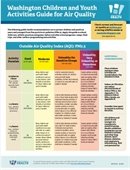
Washington State Department of Health has a Children and Youth Activities Guide for Air Quality. This document provides guidance on how long children should be outdoors depending on the outdoor air quality and the level of activity. This multi-page document also has information on how to find the current air quality and how to keep the indoor air healthy if you have to stay inside. |
|
|
|
|
|
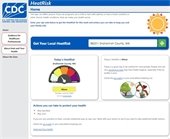
Centers for Disease Control and Prevention (CDC) has a website where you can enter your zip code and it will give you information on the current heat risk for your area and the air quality. Try it out - CDC Heat Risk and Air Quality Tool. Remember that the Washington State Smoke Blog is also an excellent resource for local air quality. |
|
|
|
|
|
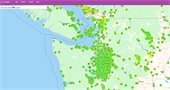
Purple Air is a company that makes air quality monitors that individuals, groups, or businesses can purchase and place in their location. The information from these monitors is compiled on a map on their website and gives a very local idea of how the air quality is. |
|
|
|
|
|
FREE Lead EDUCATION MATERIALS FOR FAMILIESThere is no safe level of lead for children. Snohomish County Health Department would like to bring informational packets to child care facilities. In these packets are colorful, small brochures, available in a variety of languages, that can be sent home with each family. There is also information for the child care on ways to make your center or home lead-safe. The visit by our staff only takes about 15 minutes. To schedule a visit and get your packet, please send an email to shd.childcarehealth@co.snohomish.wa.us. SPEAKER AVAILABLE FOR PARENT EDUCATIONDoes your early learning program have parent education nights? Snohomish County Health Department has a speaker available to provide information on lead poisoning prevention at family education events. The majority of our availability is for online learning, although we do have some slots available for in-person trainings. Please contact us at shd.childcarehealth@co.snohomish.wa.us or 425-512-5249 to get more information. |
|
|
|
Summertime Self-Care"Self-care doesn't mean me first; it means me too." -L.R. Knost Self-care means taking time to engage in things that improve your quality of life and your overall health. This is especially important for those who spend a lot of time caring for others! Practicing self-care can help reduce stress levels, lower risk of illness, and increase energy levels. Even small acts of self-care can go a long way. Some examples of self-care include: - Exercising
- Eating healthy
- Getting enough sleep
- Doing a relaxing activity
- Setting goals
- Practicing gratitude
- Managing negative thoughts
- Staying connected with social support
Remember that self-care looks different for everybody! Follow this link to explore wellness toolkits and learn more self-care tips: Your Healthiest Self: Wellness Toolkits - National Institutes of Health (NIH) Read more about mental health self-care, here: Caring for Your Mental Health - National Institute of Mental Health (NIMH) Check out this link for self-care tips and activities to complete with children: Self-Care Summer Toolkit
|
|
|
|
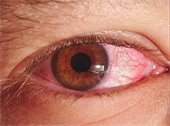
Pinkeye - What to know Conjunctivitis or “pinkeye” is one of those illnesses that can be spread all year long and strike anyone at any age. Conjunctivitis is a big word. It simply means that the white portion of the eye or "conjunctiva," which turns pink during this illness, is infected (which is the "-itis" part). It is the most common and treatable eye condition. Pink eye can be caused by viruses, bacteria, or allergies and is usually spread through direct contact. Bacterial and viral conjunctivitis is very contagious and spreads easily, especially in group care settings. Symptoms typically include: (in one or both eyes) - pink or red color in the white portion of the eye
- Swelling of the eyelid or lining of the eye
- Increased tear production (watery eyes)
- Itchiness or burning of the eye
- Discharge (pus or mucus)
- Other symptoms may occur - this is not an exhaustive list.
To reduce the spread of conjunctivitis, encourage good hygiene practices. These include: - Washing hands often with soap and warm water for at least 20 seconds
- throwing away tissues or cotton balls after each use
- frequent cleaning and disinfecting of high-touch areas like doorknobs, tables, and light switches
- Avoiding touching or rubbing your face and eyes
- Not sharing personal care items, like towels, wash clothes or eye drops
Check with a healthcare provider for diagnosis and possible treatment needs. Conjunctivitis (pinkeye) is considered a “nuisance” illness. Children and staff with pinkeye should not be excluded from childcare unless: - they are unable to participate in activities.
- care for other children would be compromised because of the level of care required by the child with pinkeye
- they meet other exclusion criteria, such as fever, or
- a health care provider or health department recommends exclusion of the person with pinkeye
Child care facilities may choose to include pinkeye as a criterion for exclusion, but it is not required by law, and it is not considered best practice. It is recommended that individuals with eye discharge be excluded from school or child care at the end of the day until the drainage is gone or until a healthcare provider has evaluated the child. For more information, here are a few resources:
|
|
|
|
COVID-19 INFORMATION AND RESOURCESRemember to report any cases of COVID that occur at your child care via our website. Take a look at our Snohomish County Health Department webpage for COVID-19 resources for schools and child care. Choose the “Child Care (staff)” tab. The website contains current guidance for child cares and a simple pathway for reporting COVID-19 cases directly to the Washington State Department of Health (through an application called FONT). Please use the spreadsheet on our website when reporting case(s). A link for reporting through the FONT tool is available on the website. Guidance and assistance are available from the staff of the Child Care Health Outreach Program at the email address and phone number listed below: Email: shd.childcarehealth@co.snohomish.wa.us Phone: 425-252-5415
|
|
|
|
|
|
Free test kits for child cares - LIMITED SUPPLY REMAINING - Child cares can request COVID tests to share with families at no charge through the Snohomish County Health Department. To request your kits and discuss the pick-up process, you must send an email to shd.childcarehealth@co.snohomish.wa.us.
Tests are NOT available on a drop-in basis. Test kits can be picked up at our downtown Everett office or delivered to the child care facility. |
|
|
|
|
|
|
|
We appreciate your patience as we continue to update our courses to enhance your learning experience. Classes are being offered AT NO COST at this time. For questions about our online classes, contact our team at SHD.ChildCareHealth@co.snohomish.wa.us or via phone at 425.252.5415. |
|
|
|
This Month's Featured Classes
|
|
|
|
Stress Management for Child Care Providers This class identifies stressors child care providers experience and suggests ways to manage these stressors. In this course, you will learn about the impacts of personal stress, job stress, burnout, and secondary trauma and how to combat these stressors with coping skills and self-care practices. Register Here
|
|
|
|
|
|
Childhood Lead Poisoning Prevention
Lead remains a problem in Washington State and Snohomish County. This course is designed to educate child care providers and staff on how to keep children and families safe from the harmful effects of lead. Did you know there is no safe level of lead? In this course you will learn where lead was historically used, where it is currently still found and simple steps you can take to protect children and families from the effects of lead poisoning.
Register Here |
|
|
|
|
|
Preventing Diseases from Animals in Child Care Settings Animal related experiences in the child care setting can mean additional health and safety concerns to consider. In this self-paced correspondence class you will learn about the best practice recommendations for keeping a class pet, for participating in animal related field trips and for having animal guests. Special focus will be on how to minimize illness, injury, and allergy risks.
Register Here |
|
|
|
Contact InformationSnohomish County Health Department
3020 Rucker Ave., Ste. 202, Everett, WA 98201
Email: SHD.ChildCareHealth@co.snohomish.wa.us
Program Phone: 425.252.5415
Website: http://www.snohd.org/238/Child-Care-Providers
Received this as a forward? Sign up for our newsletter by clicking here.
The Child Care Health Outreach Program staff are available to consult with you on these and other health, safety, and nutrition topics by phone, by email, or at your child care facility. |
|
|
|












 Share on Facebook
 Share on Twitter
 Share via Email
