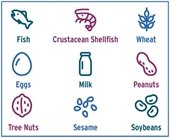
Food AllergensEstimates suggest that 33 million Americans, among them 5.6 million children under the age of 18, have food allergies. This equates to approximately one in 13 children and one in 10 adults. That is roughly two children in every classroom. About 40 percent of children affected by food allergies are allergic to multiple foods. An allergen is a protein in a food that some people are sensitive to. The immune system thinks that it is harmful and attacks the protein. This is called an allergic reaction. Symptoms of these reactions vary from mild to life threatening. A person could experience hives, swelling, stomach pain, nausea. There could also be very serious respiratory reactions. Food allergies cannot be cured, and cooking cannot remove the allergen, so steps must be taken to manage the allergens. The major allergens are milk, soybean, peanut, tree nuts, fish, shellfish, wheat, eggs and sesame. In 2004, congress passed the Food Allergen Labeling and Consumer Protection Act (FALCPA). This law required that foods that include a major allergen must have a label that specifically names the allergen. This helps consumers who are allergic as well as food service operators who purchase products to use in their establishment. The FDA regulates labeling and product recalls. It also provides guidance for industry on the ways to manage allergens and implement allergen cross-contact controls. Cross-contact is when an allergen is accidentally introduced into a food that would not normally contain the allergen, such as using the same cutting board or knife that have come in previous contact with the allergen. Protecting students is always a priority in school food service. Many schools ban products with certain allergens, like peanuts and tree nuts, both in the cafeteria and in the classroom. Often, students with allergens will bring a lunch from home and schools provide “allergen-free” spaces for students to eat.
|
|
|
|
Foodborne Illness Notification System (FINS)The Washington State DOH reporting system “Foodborne Illness Notification System (FINS)” is up and running. There are now 2 ways to report an illness. Contact us to report an illness at our illness reporting voicemail line 425.339.8680 or submit a report online through the Foodborne Illness Notification System (FINS). We encourage all members of the public, including food service employees, to report suspected or possible foodborne illness so we can continue working with our food service operators to improve food safety in Snohomish County. This reporting information should be given to employees, school nurses, care givers or students in the event of a suspected foodborne illness. Reports that come in through FINS will be automatically forwarded to us at the Snohomish County Health Department based on the facility’s zip code. Our staff will review these reports and determine our next steps using the same process we use for reports that come to us directly via our foodborne illness phone line. If your symptoms are serious or severe, contact your healthcare provider or seek medical attention first. If you have any questions about reporting or other foodborne illness topics, please email the Food Safety Program.
|
|
|
|
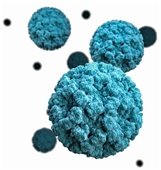
Pathogen Profile: NorovirusNorovirus is a highly contagious virus that can be spread through the vomit or diarrhea of an infected person. Norovirus spreads rapidly in a small environment, such as within a home, dormitories, day care centers, schools and nursing homes. This is why it’s often associated with cruise ships and can show up during the holiday season. Symptoms of Norovirus include diarrhea, projectile vomiting and stomach pain usually lasting for 1-2 days. Someone who has Norovirus can be contagious for up to 2 weeks after they have recovered from symptoms. Norovirus can be spread by infected individuals touching objects, surfaces, sharing or handling food. It can also be spread through airborne vomit particles, which can stay airborne for days. A very small amount of norovirus can make you sick. The number of virus particles that fit on the head of a pin is enough to infect over 1,000 people. Someone who is infected should not work with food while they have symptoms and up to 3 days after recovery. Wash your hands well with soap and water and carefully wash fruits and vegetables. During an outbreak, sanitize non-porous surfaces with a bleach solution of 1/3 – 1½ cups bleach per gallon of cold water. Always follow manufacturer instructions for exact concentration. Then follow that up with your regular steps for sanitizing. There is no medicine to take for Norovirus, but it is important to drink fluids to avoid dehydration and visit a healthcare provider if your symptoms are severe. Further information can be found on the Center for Disease Control (CDC) Norovirus page.
|
|
|
|
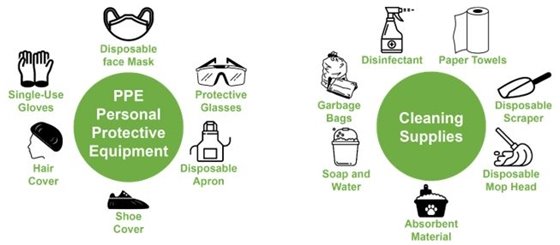
Vomit and Diarrhea Cleanup Plan Cleaning vomit and diarrhea is different than regular cleaning. Vomit and diarrhea are very contagious and have the potential to spread harmful germs throughout the school, affecting students and school employees, if you don’t clean the correct way. Every food service establishment is required to have written vomit and diarrhea cleanup plan procedures (WAC 246-215-02500) to reduce the risk. Employees must be trained in advance and follow the written procedures. what you need for Cleanup:- Personal Protective Equipment (PPE) includes single-use gloves, disposable face masks, protective glasses, hair cover, shoe covers and disposable aprons.
- Cleaning supplies includes garbage bags, paper towels, absorbent material, disinfectant, disposable scraper, disposable mop head, soap and water.
|
|
|
|
|
|
steps if there is a Vomit or Diarrhea incident:- Remove all ill students or food workers from the cafeteria or contaminated area. Have trained staff grab the cleanup kit and put on PPE.
- Block off the contaminated area, extending 25 feet from the incident. DISCONTINUE food services for 2 hours.
- Spray contaminated area with an approved disinfectant. Bleach solution should be 1/3 – 11/2 cups bleach per gallon of water. Always follow manufacturer instructions.
- Spread an absorbent material on the area to soak up excess material, such as kitty litter, baking soda or coffee grounds.
- Use a disposable or cleanable scraper and throw solid material into a garbage bag. Work from cleanest to most contaminated.
- Clean the area with soap and water and then spray disinfectant over contaminated area. Leave it on for 5-10 minutes for proper disinfection. Rinse surfaces with clean water.
- Take off your PPE and throw it in a garbage bag. Immediately remove the garbage bag from the school.
- Remove any reusable PPE to an area not used for food preparation to clean and disinfect it.
- Discard the trash bag and WASH HANDS. Staff who cleaned up the incident should shower and change clothes before returning to food preparation.
Employees should monitor themselves for symptoms for 48 hours after the incident. Employees must report any symptoms or diagnosis to the person in charge. Schools should also regularly sanitize cafeteria tables and high touch areas in classrooms, like doorknobs and water fountain handles. This information is now available in a Vomit and Diarrhea Cleanup handout. The handout has been translated into several languages which are available from our Food Safety Educational Resources page. The Washington State Department of Health (WA DOH) has also created a Vomit and Diarrhea Clean-up Plan Template to use when creating your plan and training your staff. The template is also available in several languages on the WA DOH Food Safety Rules and Regulations page. |
|
|
|
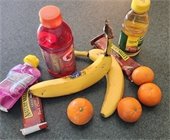
Food Sharing TablesFood sharing tables are designed to reduce food waste and provide the option for students to have extra nutritious food if they are still hungry. If your school is considering implementing a food sharing table, you will need to create a clear plan and get that plan approved by the Snohomish County Health Department using this Share Table form. The plan needs to address and include the location of the sharing table, signage, allergy concerns, time and temperature controls, not accepting home-prepared lunch items, and a system to throw food away after the lunch period. The plan will need to be supported by the principal, building staff, and school nurse. The plan will also need to describe how students will be educated to make sure the sharing table process is successful. It is important that students and staff understand that only commercial unopened food or food from the school kitchen can be placed on the sharing table. Kitchen staff should not re-use food placed on a sharing table for another day. If kitchens have developed a kitchen recollection plan, students must give the food directly back to the kitchen and not to a sharing table. School served foods, from the current meal period, that are allowed to be placed on a sharing table or recollected by the kitchen are unopened dairy products (milks, yogurts, or string cheese), whole fruits with non-edible peels (oranges and bananas), and unopened, commercially pre-packaged items (granola bars, packaged apple slices, crackers, raisins). Check out our School Food Safety and School Health and Safety pages for other ways we help to keep school children healthy.
|
|
|
|
Notify MeSign up to receive this newsletter using the Notify Me page. |
|
|
|
|
|
 Share on Facebook
 Share on Twitter
 Share via Email
