The Child Care Health Newsletter Banner
Snohomish County Health Department Logo

October 2024  

Click here to visit our website  

pertussis

Increase in Pertussis Cases

Public health officials advise staying up to date with vaccinations to prevent pertussis, also known as “whooping cough.”

Local public health officials have confirmed an uptick of pertussis, also known as whooping cough. For more information, check out our most recent health alert: Child Care Health Alert: Pertussis.

As a reminder, child cares must report all cases of pertussis (whooping cough) to Snohomish County Health Department at 425.252.5415 or 425.339.3503.

If you have any questions about pertussis, vaccines, or other health or safety issues, please contact the Child Care Health Outreach Program ChildCareHealth@co.snohomish.wa.us or by calling (425) 252-5415.

Washington State Department of Health Washington Choose Safe Places Logo

Environmental Risks - 

Here's where you can learn more.

The Washington State Department of Health has a voluntary program available to child care and early learning providers called Washington Choose Safe Places (WCSP). Their goal is to identify and address possible environmental concerns near child care facilities. Maybe you are considering a move to a new building - do you know what was in the building before? Certain businesses like former or current dry cleaners or stained glass studios can leave harmful residues behind. Is there a business nearby that you fear could be impacting the environmental conditions - old cars, pesticide overspray from farms, fumes from a nearby printshop?  Here is a factsheet to learn more about the program.

Download and complete WCSP's Child Care Property Checklist in English, Spanish, or Somali. You can send your completed checklist to wcsp@doh.wa.gov to get a free consultation.

Child's hand holding dirt

Are you GOing TO WAEYC?

If you are planning on attending this year's WAEYC conference in SeaTac on October 13-15, bring along a sample of soil from your play area in a small plastic bag, or bring a few old plastic or painted toys. The Washington Choose Safe Places program will be there with a machine that can instantly test for lead. 

safe sleep

SIDS AWARENESS MONTH

October is Sudden Infant Death Syndrome (SIDS) Awareness Month. Infant care providers can join Safe to Sleep and its partners to encourage safe infant sleep and help raise awareness about strategies to reduce the risk of SIDS.

Check out this toolkit for more information and resources: SIDS Awareness Month Toolkit | Safe to Sleep® (nih.gov).

House shaking in an earthquake clipart image

Great Shakeout - Oct 17

The Great ShakeOut happens every year. It is a day when people all over our country and the world practice an earthquake drill at the same time - 10/17 at 10:17am. This would be a great time to get one of your required disaster drills completed! 

For more information, visit https://www.shakeout.org/.

twins breastfeeding

Nutrition to help Moms maintain adequate breastmilk supply or increase a waning supply

Child care providers play a large role in the support of mothers reaching or exceeding their breastfeeding goals. Infants may receive up to half of the daily breastmilk intake during the time they are at their child care program. It can feel overwhelming for working families to provide adequate expressed breastmilk during this time or to visit the child during working hours to breastfeed their infant directly. Pregnancy and lactation is a unique time in women’s lives when they require additional nutrition. Following a nutrient dense and balanced diet can play a part in achieving an adequate milk supply. Nutrient dense foods and beverages provide vitamins, minerals, protein, unsaturated fats and carbohydrates with little added sugar, saturated fat and sodium. Some examples include, fruits and vegetables, whole grains, and seafood.  

The Dietary Guidelines for Americans 2020[1] suggests lactating women consume an additional 330 calories/day during the first 6 months postpartum and 400 additional calories/day during months 6-12 postpartum. Lactating women should aim for 2.5-3.5 cups of vegetables/day, 1.5-2.5 cups of fruit/day, 6-10 ounces of grains/day, 3 cups of dairy/day and 5-7 ounces of protein/day. Families can work with a Registered Dietitian and/or their health care providers to determine their specific dietary needs. They can also visit https://www.myplate.gov/life-stages/pregnancy-and-breastfeeding for helpful information and guidance.

Families should consult with an International Board Certified Lactation Consultant (IBCLC) to explore any milk supply concerns (https://ilca.org/why-ibclc-falc/). One aspect that may be discussed are galactagogues. Galactagogues are foods or supplements that may increase or maintain milk production. Some examples are oats, brewer’s yeast, green leafy vegetables, quinoa, and barley.  

Child care providers can direct families to these resources. In addition, the Snohomish County Health Department has a new lactation support program. We are currently piloting the Lactation Friendly Feeding Environment (LFE) program. LFE recognizes child care providers as supporting lactating families and can be used as a great marketing tool. We would love to speak with anyone interested in learning more about participating in the program. Please email lactation@co.snohomish.wa.us to learn more!


[1] https://www.dietaryguidelines.gov/sites/default/files/2020-12/Dietary_Guidelines_for_Americans_2020-2025.pdf

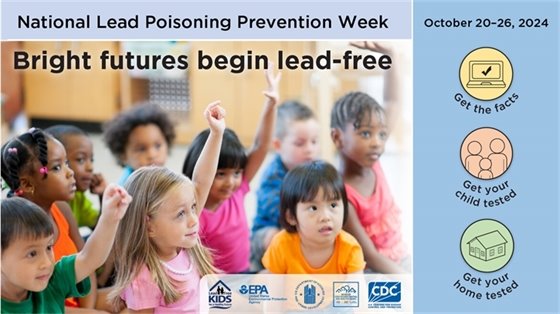
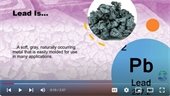
Information banner lead poisoning prevention

Click on the above image for more information about Childhood Lead Poisoning

National Lead Poisoning Prevention Week October 20-26
Image from Community Lead Poisoning Prevention Information Class

PROTECT YOUR CHILD'S FUTURE FROM LEAD: 

A COMMUNITY LEAD AWARENESS SERIES

Snohomish County Health Department is offering a no-cost video series on lead exposure prevention for the community. This series consists of six short (less than 5 minutes) videos that share current information on childhood lead poisoning prevention. Share widely with staff and families. The video series is now available on SCHD's Youtube page.

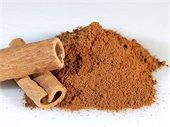
Ground cinnamon and cinnamon sticks

Lead in Cinnamon

The Food and Drug Administration (FDA) has been investigating elevated levels of lead in ground cinnamon products. See the FDA website for more information. At this time, the implicated products are not known to have been distributed in Washington State. 

COVID germ

COVID-19 Information and Resources

Remember to report all cases of COVID that occur at your child care via our website.

Take a look at our Snohomish County Health Department webpage for COVID-19 resources for schools and child care. Choose the “Child Care (staff)” tab.

The website contains current guidance for child cares and a simple pathway for reporting COVID-19 cases directly to the Washington State Department of Health (through an application called FONT). Please use the spreadsheet on our website when reporting case(s). A link for reporting through the FONT tool is available on the website.

Guidance and assistance are available from the staff of the Child Care Health Outreach Program at the email address and phone number listed below:

Email:  shd.childcarehealth@co.snohomish.wa.us

Phone: 425-252-5415

Image of COVID test

The Snohomish County Health Department does not currently have any more tests available to hand out. Starting in late September, the federal government will again offer 4 COVID tests per family through the US mail. Have staff and families keep an eye on this website towards the end of the month to see when they become available: www.covidtests.gov.

Child Care Health & Safety Classes Logo
instructions for learning portal
LMS
learning portal

We appreciate your patience as we continue to update our courses to enhance your learning experience. Classes are being offered AT NO COST at this time. 

For questions about our online classes, contact our team at SHD.ChildCareHealth@co.snohomish.wa.us or via phone at 425.252.5415.

This Month's Featured Classes

Child chipping paint off a window frame

Childhood Lead Poisoning Prevention


Lead remains a problem in Washington State and Snohomish County. This course is designed to educate child care providers and staff on how to keep children and families safe from the harmful effects of lead. Did you know there is no safe level of lead? In this course you will learn where lead was historically used, where it is currently still found and simple steps you can take to protect children and families from the effects of lead poisoning.


Register Here

stress

Stress Management for Child Care Providers

This class identifies stressors child care providers experience and suggests ways to manage these stressors. In this course, you will learn about the impacts of personal stress, job stress, burnout, and secondary trauma and how to combat these stressors with coping skills and self-care practices.

Register Here

Two girls and a dog

Preventing Diseases from Animals in Child Care Settings 

Animal related experiences in the child care setting can mean additional health and safety concerns to consider. In this self-paced correspondence class you will learn about the best practice recommendations for keeping a class pet, for participating in animal related field trips and for having animal guests. Special focus will be on how to minimize illness, injury and allergy risks.


Register Here

Contact Information

Snohomish County Health Department
3020 Rucker Ave., Ste. 202, Everett, WA  98201

                                                                                     
Email: SHD.ChildCareHealth@co.snohomish.wa.us

Program Phone:  425.252.5415

Website:  http://www.snohd.org/238/Child-Care-Providers

Received this as a forward? Sign up for our newsletter by clicking here.

The Child Care Health Outreach Program staff are available to consult with you on these and other health, safety, and nutrition topics by phone, by email, or at your child care facility. 

Share on Facebook
Share on Twitter
Share via Email

Snohomish County Health Department
3020 Rucker Ave., Everett, Washington

Powered by
CivicSend - A product of CivicPlus