|
|
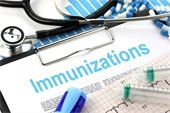
Immunization reportingIt's that time of year again, as a reminder, early learning programs and child cares that are not currently utilizing the Schools and Child Care Module (WAIIS) and maintaining their roster, must report immunizations status to the Washington State Department of Health by 12/1. Schools, preschools, and child cares must complete and file an immunization status report to the Department of Health of each year. RCW 28A.210.110 and WAC 246-105-060. Child Care and Preschool Immunization Reporting | Washington State Department of Health Children in school aged programs, including transitional kindergarten or pre-kindergarten at a K-12 school, do not need to be reported on by the child care. They should be included in the school's K-12 report. Steps for gaining access to the WADOH Schools and Child Care Module are available on the Snohomish County Health Department website: Immunization Information for Child Care | Snohomish County Health Department, WA For questions or assistance on preparing the immunization report or gaining access to the WADOH Schools and Child Care Module reach out to our team at 425.252.5415 or by email at childcarehealth@co.snohomish.wa.us
|
|
|
|
WA STATE Department of Health Early Care and Education REsource PageThe Washington State Department of Health has put together a resource page for early care and education providers. This page puts all the most frequently requested health and safety information in one location. Please take some time to check out this helpful site: Early Care and Education | Washington State Department of Health On this page you will find information to help: - Enhance safe and healthy environments - including the updated bleach chart, air quality and wood smoke information, how to get your food worker card, diapering posters, and more
- Promote healthy behaviors
- Support healthy child development
- Prevent childhood harm and injury
- and more....
|
|
|
|
Individual Care Plans As child care providers, our goal is to ensure the safety and well-being of the children and families in our care. In certain cases, the implementation of an Individual Care Plan (ICP) may be necessary. In accordance with WAC 110-300-0300:, early learning providers are required to have or develop an individual care plan (ICP) for each child with special needs, including conditions such as asthma, allergies, or behavioral considerations. When a child with special needs is identified or enrolled in the program, remember to inform your child care licensor. A signature from a parent or legal guardian is required on each individual care plan. In addition, early learning providers must obtain documentation of the child's special needs from a licensed or certified medical provider, mental health professional, educational professional, or social worker. If applicable, this plan should be informed by the child’s Individual Education Plan (IEP), Individual Health Plan (IHP), 504 Plan, or Individualized Family Service Plan (IFSP). All staff members responsible for the child's care, including float staff, must receive training on the care plan from the parent, legal guardian, or contracted healthcare provider. It is essential to verify in writing that this training has been completed and that staff members feel confident in their ability to implement the care plan prior to the child's attendance. The Child Care Health team at Public Health Seattle and King County has created a resource for child care providers that can be used state wide! Care plans and authorization forms - King County, Washington The plans on this page have checklists that include what documents need to be included and who needs to sign.
|
|
|
|
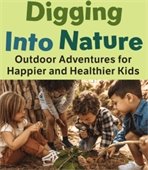
NO COST WEBINARDigging into natureJoin pediatricians and nature experts, Dr. Pooja Sarin Tandon and Dr. Danette Swanson Glassy for their live webinar Digging into Nature, on Wednesday, November 13th at 3:00 PM ET/ 12:00 PM PT. Based on their new book, Digging into Nature: Outdoor Adventures for Happier and Healthier Kids, they will discuss the importance of nature for children’s health. In this live webinar, you will learn practical and inclusive tips for helping the children in your care reap the benefits of the great outdoors. This no cost webinar will be recorded and made available for viewing after the live event. Registration is required: Register here
|
|
|
|
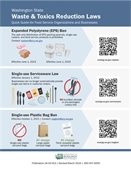
Washington Laws about Styrofoam and Plastic UtensilsWashington State has a few newer laws that aim to reduce waste and limit toxic products. There is a ban on some polystyrene (styrofoam) products like food containers and single use plastic bags, and businesses must ask before providing single-use utensils. You have likely noticed these changes when going out to restaurants or when grocery shopping. Child cares can also do their part. Here are a few ways: - Eliminate polystyrene (Styrofoam) – WAC 110-300-0285(2)(o) already prohibits the use of this when feeding infants and toddlers. In reality, it can be a choking hazard for older children as well.
- Minimize the use of single-use plastic bags – The licensing WAC 110-300-0165(2)(d) requires plastic bags to be inaccessible to children since they are a suffocation hazard. An exception may be for sending home soiled clothing.
- Use PFAS-free food packaging – since the sale of PFAS-containing food packaging is prohibited in Washington, this should not be an issue.
- Look for and use compostable products.
- Promote the use of reusable silverware and dishes in facilities with adequate dishwashing capability. If an early learning program must use single service items, the requirement to ask before providing these items in DCYF licensed facilities only applies if it is practical and feasible. You can read the actual regulation here.
|
|
|
|
|
|
|
|
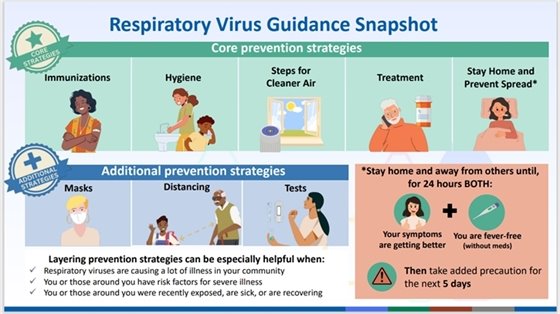
Preventing Respiratory IllnessAs we head into the fall and winter months, we also often see an increase in colds, flu, and other respiratory illnesses. Now is a good time to review your child care's policies on exclusion of ill children and other steps that your child care takes to reduce the spread of illness. Make sure to remind families of your policies so that everyone is on the same page. Getting the flu shot is one way of protecting yourself. More information on the flu and where to get the flu shot is available on our website. The Snohomish County Health Department has a respiratory illness dashboard that shows the general level of illnesses in the community. It may help child cares determine when they want to implement additional steps like opening windows more often, having staff wear masks, or adding extra handwashing times into the day. Below is the link to that website. respiratory illness dashboard | Snohomish County Health Department, WA The graphic below from the Centers for Disease Control and Prevention (CDC) shows various strategies that can be used to help stay well. You can click on the image to get a larger size that you can post on a parent board. |
|
|
|
|
|
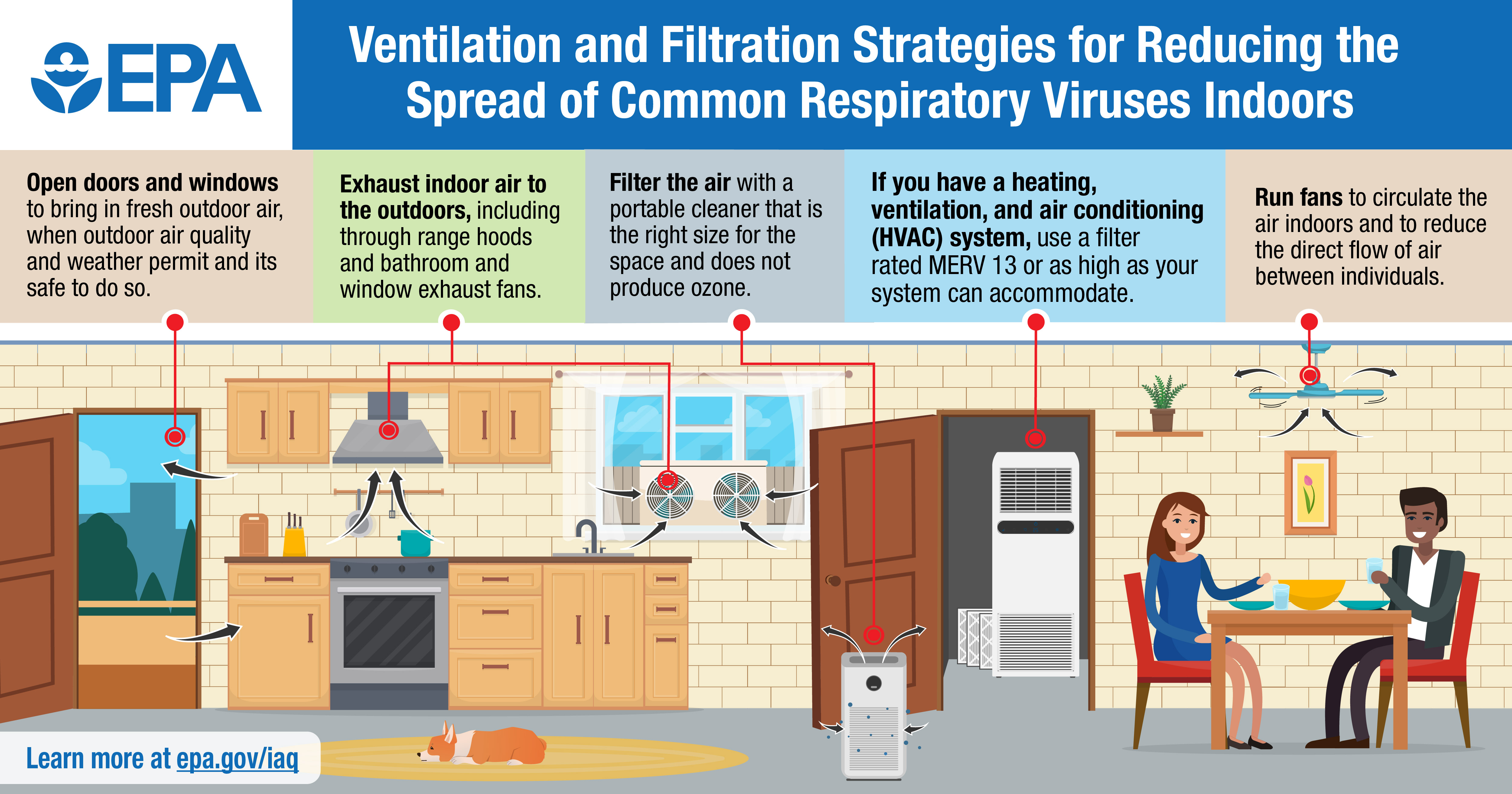
One of the methods to reduce the spread of respiratory viruses is to increase fresh air through ventilation and filtering the air. Ventilation can be improved by opening windows and using fans to move air. Filtration can be done through the use of portable air cleaners or filters in your heating and ventilation system. The U.S. Environmental Protection Agency has updated their resources on using ventilation and filtration to stay healthy. You can find more information on their website. They have created a helpful graphic as well. |
|
|
|
|
|
|
|
NEW EPA RULES to protect children from lead dustThere is no safe level of lead for children. In response to this, the U.S. Environmental Protection Agency has put in place updated standards for lead dust in pre-1978 homes and child care facilities. The new requirement is that there should be no measurable lead dust on surfaces inside these buildings. When any painting or remodeling work is done inside the buildings, the contractors must test to make sure no lead dust remains after clean-up is complete. The levels that must be met are now the lowest that can be detected by a laboratory. For more information about this new standard, visit the EPA website. |
|
|
|
MORE CONTAMINATED GROUND CINNAMON PRODUCTSThe US Food and Drug Administration (FDA) has identified additional ground cinnamon products that contain lead. For an updated list, visit their website. |
|
|
|
COVID-19 Information and ResourcesRemember to report all cases of COVID that occur at your child care via our website. Take a look at our Snohomish County Health Department webpage for COVID-19 resources for schools and child care. Choose the “Child Care (staff)” tab. The website contains current guidance for child cares and a simple pathway for reporting COVID-19 cases directly to the Washington State Department of Health (through an application called FONT). Please use the spreadsheet on our website when reporting case(s). A link for reporting through the FONT tool is available on the website. Guidance and assistance are available from the staff of the Child Care Health Outreach Program at the email address and phone number listed below: Email: childcarehealth@co.snohomish.wa.us Phone: 425-252-5415
|
|
|
|
|
|
The Snohomish County Health Department does not currently have any more tests available to hand out. The federal government is again offering 4 COVID tests per family through the US mail. Please share the following website with staff and families and have them order kits to keep at home. www.covidtests.gov. |
|
|
|
|
|
|
|
We appreciate your patience as we continue to update our courses to enhance your learning experience. Classes are being offered AT NO COST at this time. For questions about our online classes, contact our team at ChildCareHealth@co.snohomish.wa.us or via phone at 425.252.5415. |
|
|
|
This Month's Featured Classes
|
|
|
|
|
|
Childhood Lead Poisoning Prevention
Lead remains a problem in Washington State and Snohomish County. This course is designed to educate child care providers and staff on how to keep children and families safe from the harmful effects of lead. Did you know there is no safe level of lead? In this course you will learn where lead was historically used, where it is currently still found and simple steps you can take to protect children and families from the effects of lead poisoning.
Register Here |
|
|
|
Stress Management for Child Care Providers This class identifies stressors child care providers experience and suggests ways to manage these stressors. In this course, you will learn about the impacts of personal stress, job stress, burnout, and secondary trauma and how to combat these stressors with coping skills and self-care practices. Register Here
|
|
|
|
|
|
Preventing Diseases from Animals in Child Care Settings Animal related experiences in the child care setting can mean additional health and safety concerns to consider. In this self-paced correspondence class you will learn about the best practice recommendations for keeping a class pet, for participating in animal related field trips and for having animal guests. Special focus will be on how to minimize illness, injury and allergy risks.
Register Here |
|
|
|
Contact InformationSnohomish County Health Department
3020 Rucker Ave., Ste. 202, Everett, WA 98201
Email: SHD.ChildCareHealth@co.snohomish.wa.us
Program Phone: 425.252.5415
Website: http://www.snohd.org/238/Child-Care-Providers
Received this as a forward? Sign up for our newsletter by clicking here.
The Child Care Health Outreach Program staff are available to consult with you on these and other health, safety, and nutrition topics by phone, by email, or at your child care facility. |
|
|
|







 Share on Facebook
 Share on Twitter
 Share via Email
