WELCOME TO THE PROVIDER PULSENovember 2024 This newsletter is about strengthening regular communication between the Snohomish County Health Department and medical providers. These quarterly newsletters will include up-to-date information regarding clinical best practices, current trends or emerging information, new resources, and relevant opportunities for providers and staff from all teams within the Prevention Services Division of the Health Department. |
|
|
|
Health AlertsIncrease of Pertussis Cases in Snohomish County ResidentsPublic health officials advise staying up to date with vaccinations to prevent pertussis, also known as “whooping cough.” More information about pertussis is available in a recent health alert to Snohomish County healthcare providers, as well as from the Washington State Department of Health and the weekly update on pertussis activity statewide. The Snohomish County Health Department Health Officer issues health alerts via email to local healthcare providers. These alerts provide timely information on local, regional, and national health threats, along with essential updates on medical care and protocols. Alerts are dispatched as needed to address urgent or emergent health issues, ensuring that healthcare providers have the most current information to protect public health. Review recent Health Alerts and subscribe here: Health Alerts Page.
|
|
|
|
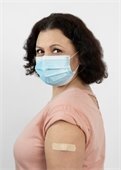
Immunizations and Vaccine Preventable Diseasesget your flu shot!We have entered viral respiratory season now that we have met the transmission alert threshold for RSV and anticipate flu to soon follow. Protect yourself and your patients from the flu – get your yearly flu vaccine if you have not yet already done so. The flu vaccine can keep you from getting seriously ill from the flu or spreading the flu to at-risk patients. To promote the flu vaccine, providers are welcome to use the Flu Free Washington Partner Toolkit from Washington Department of Health. These materials explain the importance of getting vaccinated, who is most at risk, and how to find a vaccine. Flu vaccines are widely available at many locations near you and may even be offered by your employer. Talk with your human resources department to find out what options may be available. You can also visit www.Vaccines.gov or call the Help Me Grow Washington hotline at 1-800-322-2588 (language assistance available) to find a flu vaccine location in your area. For more information, please visit www.FluFreeWA.org. Please keep in mind that the RSV vaccine and new COVID-19 vaccine is well stocked this year. Utilize this Respiratory Virus One Pager PDF as a guide to respiratory virus season and as a “cheat sheet” for fall immunizations. Lastly, congratulations to the 2024 Immunize WA Recognition Program Awardees! Thank you for your commitment on making sure your patients are up-to-date on their immunizations! Your awards are in the process of being printed and sent out but should be arriving soon. Learn more about DOH’s Immunize WA Annual Award Program here.
|
|
|
|
children and familiesreduce Lead Exposure in ChildrenDear Snohomish County Healthcare Providers, lead exposure in children is a serious public health concern, as there is no safe level of lead in blood. Even when a child's blood lead level is below 3.5 mcg/dL, it is important to remember that this is not "normal" or without risk. At the Snohomish County Health Department, we adhere to the CDC's guidelines, providing public health case management services for families with children whose blood lead levels reach or exceed 3.5 µg/dL. These services aim to minimize exposure, educate families, and prevent further health complications from lead exposure. For more information, visit our Healthcare Provider Lead Toolkit at: https://www.snohd.org/751/Healthcare-Provider-Lead-Toolkit. In addition to the toolkit, we have a dedicated section on our website offering lead continuing education credits. Visit https://www.snohd.org/1815/Lead-CMEs-for-Healthcare-Providers to explore opportunities aimed at enhancing knowledge and awareness of childhood lead poisoning. These CME credits are tailored to meet the ongoing educational needs of healthcare professionals, and we're committed to regularly updating the page with new opportunities as they become available. |
|
|
|
Healthy communitiesinjury prevention: falls coalition surveyAbout the survey: In collaboration with the Snohomish County Health Department, falls prevention practitioners are looking to form a falls prevention coalition in the hopes of maximizing our efforts and impact. This survey could take 3-6 minutes and will help us understand current efforts, capacity gaps, and interest in joining the coalition. This survey is intended for anyone who is interested falls prevention personally or professionally, or those who are working in falls prevention. The survey will remain open until November 11th and can be completed by multiple members of the same organization. If you have any questions about the survey or the coalition, please reach out to Carlie Deatherage at carlie.deatherage@co.snohomish.wa.us. Snohomish County Falls Coalition Interest Survey: SCOPE Survey (iths.org)
|
|
|
|
TUBERculosisRoutine Testing ReminderAre you testing patients born outside the U.S. for TB? National data shows half of healthcare providers are considering TB for non-U.S.-born patients. Identifying and overcoming barriers to TB testing and treatment is crucial. Anyone born outside the U.S. or Western Europe should be tested for TB at least once. For positive results, contact the health department for guidance at 425.339.5225. Let's work together to reduce TB transmission in Snohomish County. Key Points to Remember: Think TB if patients have symptoms like a persistent cough, fever, unexplained weight loss, night sweats, or related radiological findings. High-Risk Groups include: - Close contacts of active TB cases
- Those with a history of residence or travel to TB-endemic regions (refer to the WHO table)
- Children under 5 with a positive TB test
- Individuals with a history of latent TB infection (LTBI), especially if diagnosed in the past 2 years
- Residents or workers in shelters, correctional, or long-term care facilities
- People with HIV, diabetes, or other immunocompromising conditions
TB-Endemic Regions (2019 Data from WHO list of high burden countries): - Severely Endemic (500+ cases/100,000): Central African Republic, Gabon, Lesotho, South Africa; DPR Korea; Philippines.
- Highly Endemic (300-499 cases/100,000): Angola, Congo, Democratic Republic of Congo, Eswatini, Guinea-Bissau, Liberia, Mozambique, Namibia, Zambia; Indonesia, Myanmar, Timor-Leste; Kiribati, Marshall Islands, Mongolia, Papua New Guinea.
- Endemic (100-299 cases/100,000): Various regions in Africa, the Americas, Eastern Mediterranean, Europe, South-East Asia, Western Pacific.
RESOURCES: |
|
|
|
|
|


 Share on Facebook
 Share on Twitter
 Share via Email
