The Child Care Health Newsletter Banner

May 2025  

Click here to visit our website  

Snohomish County Health Department Logo

Measles: Time to Review your Child Care Immunization Records

Measles is a virus that spreads easily when an infected person coughs or sneezes. The virus can stay in the air for up to two hours after an infected person leaves. In people who are not protected by the vaccine, 9 out of 10 will become infected if exposed. Measles is not just a rash. It can cause serious illness, with one in five people who become ill needing to be hospitalized. For more information about measles, you can read our Measles Fact Sheet in English or Spanish. Washington State Department of Health has information in additional languages. 

Cases of measles have been showing up in our community (media release). Child care providers can prepare by making sure that all child, staff, and volunteer immunization records are up to date and well-organized. The Measles, Mumps, and Rubella (MMR) vaccine protects against measles and is very effective. (WAC regulation for staff) 

  • Make sure that your staff and volunteers have:
    • received at least one dose of the MMR vaccine, or
    • have documentation that shows they have immunity to measles, or
    • have written certification from a health care provider that they cannot have the vaccine.
  • Check the CIS forms for children who are 12 months of age or older. One dose should be between 12 and 15 months and a second dose between age 4 and 6 years old. Proof of immunity through a laboratory test is also acceptable. 
  • Children may have a medical or religious membership exemption to the MMR vaccine on file on a certificate of exemption form. Medical and religious exemption forms must be signed by a health care provider.
    • Make note of any children that have a qualified exemption to the MMR as they may need to be excluded if an exposure occurs. 
    • Personal and philosophical exemptions are not allowed for the MMR vaccine.
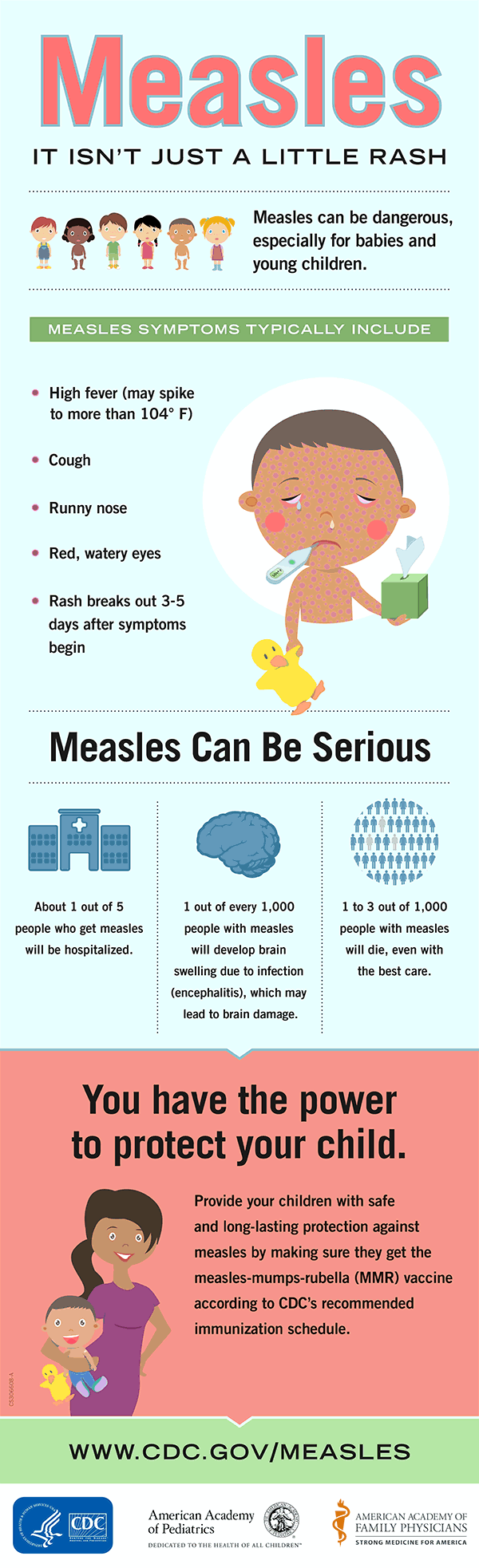
Measles Infographic from the CDC
Happy woman with young child

The Gift of Gratitude

“Gratitude is a powerful catalyst for happiness. It is the spark that lights a fire of joy in your soul.” 

- Amy Collette 

We all have a lot to be thankful for. Sometimes the simplest of things are taken for granted. We forget how very fortunate we are. Gratitude is believed to be one of the healthiest emotions that humans can practice. Did you know that research shows that cultivating gratitude has profound benefits? These include: 

  • Reducing stress and anxiety
  • Boosting mood
  • Strengthening your immune system
  • Improving sleep

A simple way to cultivate a sense of gratitude is to keep a gratitude log. Schedule a time that works best for you each day to write down one thing you are thankful for. This can be a great way to start your morning or a quick practice just before bed! Your journal will be unique to you. Some of the things that we are grateful for include: a warm home, food, physical ability, laughter, going to the beach, and time with friends or family. The list can be endless, so feel free to get carried away! 

A 2019 research study published in the Journal of Happiness noted that gratitude is linked to happiness in children by age 5. This means that instilling gratitude in children at a young age can help them grow up to be happier people. Other psychological studies have shown that grateful children tend to be happier, have greater engagement with hobbies and schoolwork, have better relationships, and report greater satisfaction in general. Studies also show that children who practice gratitude experience less jealousy, less symptoms of depression, and are less materialistic than children who do not practice gratitude. 

Are you wondering how to teach gratitude to children? You can start by encouraging them to say “please” and “thank you.” You can model gratitude by telling them that you are thankful for them and that there is nobody else in the world exactly like them. With preschoolers, you can draw things you are thankful for, or name them during circle time. Children in your care will organically learn things through your actions. If you don’t practice gratitude, they may not either!  

There are many activities on the internet, or in books, that are geared toward children to cultivate gratitude. Below are a couple of resources to check out: 

  • 10 Techniques for Teaching Children How to Practice Gratitude | The Discovery Source
  • Gratitude Worksheets and Activities for Children and Families | Social Worker's Toolbox

Snohomish County Health Department’s Child Care Health Outreach Program wants you to know that we are thankful for you! We appreciate your hard work and dedication to ensure that our next generation is nurtured and cared for. 

“If you concentrate on finding what is good in every situation, you will discover that your life will suddenly be filled with gratitude, a feeling that nurtures the soul.” 

- Rabbi Harold Kushner  

COVID germ

COVID-19 Information and Resources

Remember to report all cases of COVID that occur at your child care via our website.

Take a look at our Snohomish County Health Department webpage for COVID-19 resources for schools and child care. Choose the “Child Care (staff)” tab.

Guidance and assistance are available from the staff of the Child Care Health Outreach Program at the email address and phone number listed below:

Email:  childcarehealth@co.snohomish.wa.us

Phone: 425-252-5415

Image of DOH Respiratory Illness Guidelines handout

New Respiratory Illness Guidance Document

The Washington State Department of Health recently released a new one-page document that summarizes the guidance on what to do if you are sick with symptoms of a respiratory virus such as COVID-19, influenza, RSV, etc. This document is meant to replace the decision trees that were previously used for COVID-19. Here is a link to the document: https://doh.wa.gov/sites/default/files/2025-02/420611-RespVirusIllness-onepager-english.pdf 

This document is also available in Russian, Somali, Spanish, and Vietnamese.

Child Care Health & Safety Classes Logo
instructions for learning portal
LMS
learning portal

We appreciate your patience as we continue to update our courses to enhance your learning experience. Classes are being offered AT NO COST at this time. 

For questions about our online classes, contact our team at ChildCareHealth@co.snohomish.wa.us or via phone at 425.252.5415.

This Month's Featured Classes

Drawing of a house with a septic system in the yard

Septic Care Class for Home Child Cares in Snohomish County

This course is specifically designed for Snohomish County child cares with a septic system. Please make sure this course is appropriate for you before registering.

Child cares with septic systems are responsible for protecting the health and safety of children in their care from potential risks. Learning how to best care for your system will help create a safe child care environment. This self-paced course will cover topics including how your system works, how to find your septic system records, best practices for care and maintenance, signs of a failing septic system, how to find septic contractors and what to expect, and financial assistance options for septic systems.

Register Here

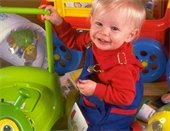
Child with lots of toys

Injury Prevention: Toy Safety

In addition to providing children with fun and enjoyment, toys help them develop skills, test their abilities, engage their imagination, and learn. Unfortunately, many children are injured every day from toys that are supposed to be fun. This course will focus on preventing injuries from toys in child care settings.

Register Here

Child chipping paint off a window frame

Childhood Lead Poisoning Prevention


Lead remains a problem in Washington State and Snohomish County. This course is designed to educate child care providers and staff on how to keep children and families safe from the harmful effects of lead. Did you know there is no safe level of lead? In this course you will learn where lead was historically used, where it is currently still found, and simple steps you can take to protect children and families from the effects of lead poisoning.

Register Here

Contact Information

Snohomish County Health Department
3020 Rucker Ave., Ste. 202, Everett, WA  98201

                                                                                     
Email: ChildCareHealth@co.snohomish.wa.us

Program Phone:  425.252.5415

Website:  http://www.snohd.org/childcare

Received this as a forward? Sign up for our newsletter by clicking  here.

The Child Care Health Outreach Program staff are available to consult with you on these and other health, safety, and nutrition topics by phone, by email, or at your child care facility. 

Share on Facebook
Share on Twitter
Share via Email

Snohomish County Health Department
3020 Rucker Ave., Everett, Washington

Powered by
CivicSend - A product of CivicPlus