WELCOME TO THE PROVIDER PULSEMay 2025 This newsletter is about strengthening regular communication between the Snohomish County Health Department and medical providers. These quarterly newsletters will include up-to-date information regarding clinical best practices, current trends or emerging information, new resources, and relevant opportunities for providers and staff from all teams within the Prevention Services Division of the Health Department. INDEX: |
|
|
|
IMMUNIZATIONS AND VACCINE PREVENTABLE DISEASES Measles and Upcoming Awards Measles Resurgence: What You Need to KnowThe United States is experiencing a significant measles resurgence. With over 1,000 cases reported so far this year, 2025 is on track to see the highest number of measles cases since the early 1990s. With an ongoing outbreak in Texas and multiple smaller outbreaks across the country, now is the time to ensure you and your loved ones are fully protected. Because most people didn’t grow up during a time when measles was common, it’s understandable that there are a lot of questions. We sat down with Dr. James Lewis, Health Officer for the Snohomish County Health Department, and Dr. Alice Tin, Interim Health Officer for Public Health – Seattle & King County, to get answers. Click Here to Read: Measles Q&A with Dr. James Lewis and Dr. Alice Tin MMR VaccineWith recent concerns about measles and other preventable diseases, it’s more important than ever to keep immunizations up to date. We encourage you to routinely assess immunization status at every patient visit, not just during well visits. Taking a moment during all encounters—sick visits, follow-ups, and specialty care—can help identify missed opportunities and ensure patients stay on schedule. For more information on vaccines, and what is advised when there has been a local measles exposure, please read our most recent Health Alerts. Health Alert Page WA DOH has recently updated their MMR Vaccine FAQ for providers. See the attached PDF link: MMR Vaccine FAQs for Providers and LHJs The Public Health Communications Collaborative has also released a helpful measles communication resource emphasizing a key fact: Vaccines do not cause autism—a myth that continues to impact vaccine confidence. Please see resource for more information: Vaccines Do Not Cause Autism - Public Health Communications Collaborative |
|
|
|
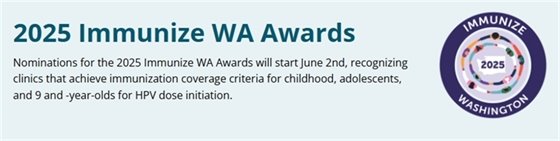 2025 Immunize WA Awards MCO INCENTIVES FOR HEDIS MEASURES AND IMMUNIZATION-RELATED OUTPUTS To support immunization efforts, providers should be aware of the MCO Rewards Flyer- 2025 .pdf These incentives are tied to HEDIS measures and immunization-related outcomes for Medicaid Managed Care patients.
Note: This information is intended for clinic staff only and should not be shared directly with patients. |
|
|
|
Substance Use PreventionReviews Aim To Prevent Overdose Deaths A team in Snohomish County is working to carefully review overdose deaths and use that information to recommend actions that may prevent future deaths. The purpose of Snohomish County’s Overdose Fatality Review (OFR) is to effectively identify system gaps and develop community-specific overdose prevention and intervention strategies. The OFR develops prevention and intervention strategies by bringing together a prevention-oriented, multidisciplinary team to review aggregate and case-level data and develop a timeline leading up to a fatal overdose. This review, occurring quarterly, helps gain a deeper understanding of missed opportunities for prevention and intervention. It also creates a space to help build organizational and interpersonal relationships among professionals working in the substance use and overdose prevention space. Findings from the OFR will be used to make recommendations, inspire action, and prevent future deaths. To learn more about the group and how to get involved, please visit https://snohomishoverdoseprevention.com/overdose-fatality-review/ Additional resources: Recovery and Hope newsletter 03-14-2025 Snohomish Overdose Prevention |
|
|
|
healthy communitiesUpcoming Events |
|
|
|
|
|
Tuberculosis Knowledge NookExploring TB Through Story and ScienceLooking to dive deeper into the history and ongoing impact of tuberculosis? Our team picked three compelling reads that bring the story of TB to life—through powerful narratives, historical insight, and reflections on modern-day care, both in the U.S. and globally. - Everything Is Tuberculosis, by John Green
- The Black Angels, by Maria Smilios
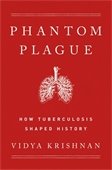
- Phantom Plague, by Vidya Krishnan
Each book offers a unique perspective—no favorites here, just thoughtful recommendations we think you'll find meaningful. |
|
|
|
|
|
TUBERculosisTB Routine Testing ReminderAre you testing patients born outside the U.S. for TB? National data shows half of healthcare providers are considering TB for non-U.S.-born patients. Identifying and overcoming barriers to TB testing and treatment is crucial. Anyone born outside the U.S. or Western Europe should be tested for TB at least once. For positive results, contact the health department for guidance at 425.339.5225. Let's work together to reduce TB transmission in Snohomish County. Key Points to Remember: Think TB if patients have symptoms like a persistent cough, fever, unexplained weight loss, night sweats, or related radiological findings. High-Risk Groups Include: - Close contacts of active TB cases
- Those with a history of residence or travel to TB-endemic regions (refer to the WHO table)
- Children under 5 with a positive TB test
- Individuals with a history of latent TB infection (LTBI), especially if diagnosed in the past 2 years
- Residents or workers in shelters, correctional, or long-term care facilities
- People with HIV, diabetes, or other immunocompromising conditions
TB-Endemic Regions (2019 Data from WHO list of high burden countries): - Severely Endemic (500+ cases/100,000): Central African Republic, Gabon, Lesotho, South Africa; DPR Korea; Philippines.
- Highly Endemic (300-499 cases/100,000): Angola, Congo, Democratic Republic of Congo, Eswatini, Guinea-Bissau, Liberia, Mozambique, Namibia, Zambia; Indonesia, Myanmar, Timor-Leste; Kiribati, Marshall Islands, Mongolia, Papua New Guinea.
- Endemic (100-299 cases/100,000): Various regions in Africa, the Americas, Eastern Mediterranean, Europe, South-East Asia, Western Pacific.
|
|
|
|
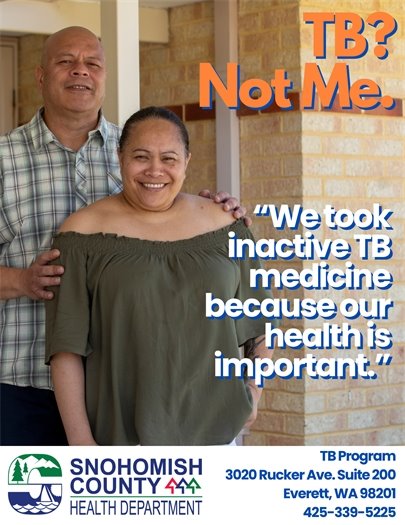 New printable flyers available here RESOURCES: |
|
|
|
|
|


 Share on Facebook
 Share on Twitter
 Share via Email
