Septic newsletter banner image

Sincere greetings septic system owners

Take a break from the summer heat – Kick back and relax by reading about everyone’s favorite subject: Septic systems! We’re diving into some hot topics. Whether you’re here for the know-how or just love a good scoop, we’ve got something for everyone this month! 

Did you know?

Septic systems are made to remove harmful germs & excess nutrients from wastewater. Septic systems are not built to treat other substances, such as medications. Medications can upset the balance of bacteria in your septic tank, as well as make their way into the environment and impact water quality. Avoid flushing any medication down the drain. To safely dispose of medication, visit MedTakeBackWashington.org to find a drop-off or mail-back supply location near you. 

Medication
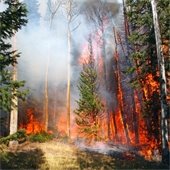
Wildfire

Reminders 

Wildfire & Septic Systems

Wildfire season in Washington typically runs from July through October. Many people do not know that their septic system is one thing that can be affected by a wildfire. If fire reaches your property, keep in mind that components like control panels, riser lids, and drainfields can get damaged by fallen debris or excessive heat. For information on what to do with your septic system before, during, and after a wildfire, see the fire guidance checklist from the National Environmental Health Association. 

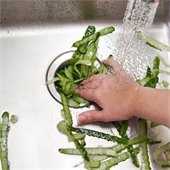
Garbage disposal

Questions from the community

"Should i use a garbage disposal?"

No. Garbage disposals grind food into tiny pieces which can cause clogs in your system. More food going down the drain also means more frequent pumping. Using a sink strainer is great alternative to catch food before it goes down the drain. Food scraps from your strainer can go in your compost bin or garbage. Also, depending on what you just cooked, these scraps can make a yummy treat for backyard chickens. 

"Can I dethatch the grass over my drainfield?' 

Dethatching is the process of removing the layer of organic matter, dead grass, and other debris (collectively called thatch) that has built up on top of the soil. Whether or not you should dethatch over your drainfield depends on your type of system and how deep it was installed. Some systems can be installed as shallow as 6", in which case dethatching could cause damage. You'll want to verify the depth of your drainfield before starting any work. We recommend that you only remove the organic material, not the soil, and avoid altering the grade of your lawn. Also, reseeding the area with grass after dethatching is important to keep the soil healthy and prevent erosion. Watering over the drainfield isn't advised, so if you're worried new seeds may have a hard time establishing, you could wait to spread new seeds until rain is in the forecast. If you have a drip system, take extreme caution if you choose to dethatch due to their shallow depth. 
Questions?

Do you have questions about your septic system? You can visit our website for more information on septic systems or contact SHD-EHQ@snoco.org for any additional questions.

For information on Savvy Septic financial assistance, visit savvyseptic.org or email savvy.septic@snoco.org. To find a septic professional, click here. 

This project has been funded wholly or in part by the United States Environmental Protection Agency under assistance agreement PC-01J89801 to the Washington State Department of Health and under an assistance agreement to the Washington State Department of Ecology. The contents of this document do not necessarily reflect the views and policies of the Environmental Protection Agency, nor does mention of trade names or commercial products constitute endorsement or recommendation for use.

Share on Facebook
Share on Twitter
Share via Email

Snohomish County Health Department
3020 Rucker Ave., Everett, Washington

Powered by
CivicSend - A product of CivicPlus