SCHOOL Food for Thought Newsletter 2025 Header
Teacher with students and food

Classroom Food Safety

Always practice good hygiene when offering food in classrooms, including proper hand washing. Hands must be washed before setting up the event, after using the restroom, after sneezing or coughing, and as necessary when food is being served.

The Snohomish County Health Department offers the following guidelines for handling or serving food in classrooms:

Limit the types of foods allowed. All food must come from an approved commercial source – no home prepared food items due to the concern for food safety and allergens.

Limit foods that need refrigeration. You may also keep it cold by refrigerating on site or storing on ice. The refrigerator should be in good working order, with a thermometer to monitor temperature. Meat dishes, potato and macaroni salads and pumpkin and custard-filled pies should not be brought into the classroom.

Use fresh fruit immediately. Fresh fruit can be used if it is washed and cut immediately before it is to be served. Cut melons can grow bacteria and must be refrigerated if not served immediately. Wear disposable gloves when cutting fruit or vegetables.

Only used pasteurized milk or juice. Never serve unpasteurized milk or juice of any kind, especially apple juice or cider. Any home-canned products must stay at home.

Use serving utensils, NOT bare hands. Food served to children should be served with tongs, spatulas, or other utensils. Disposable utensils and cups are preferable.

Certified Food Protection manager speaking with employee

Certified Food Protection Manager

The primary focus of the Certified Food Protection Manager (CFPM) requirement is to increase proactive food safety, looking at things before they go wrong. This is also referred to as Active Managerial Control (AMC). This proactive approach helps to prevent Food Borne Illnesses, which can have lasting consequences. 

The CFPM will be responsible for implementing a food protection program which helps employees follow the food code and maintain Active Managerial Control. The CFPM does not need to be on-site, although a copy of the certificate does. You could have one person designated as the CFPM for several schools. In Snohomish County, school/youth activity concessions are NOT required to have a CFPM, although it is still encouraged.

To become certified, a person is required to pass one of the American National Standards Institute (ANSI) approved FOOD MANAGER tests. This is a list of the different ANSI approved courses that will meet the CFPM Requirement. All of these have an online option. We do receive questions about local, in-person class options for classes and tests. We do not promote any specific ANSI approved courses, but we do want to provide our operators with current in-person options that we have found. Our staff receive monthly updates on both local in-person classes and in-person testing options. Please reach out directly to your inspector for guidance on these options.

QR code for the Food Safety Educational Resources webpage

Helpful Handouts

Handouts are also available in Chinese, Korean, Spanish, Punjabi, Thai and Vietnamese. Use the QR code to go to our Food Safety Educational Resources page and see all the other resources we have.

  • 3-Compartment sink - Reviews the steps of cleaning and sanitizing with a 3-compartment sink using a large visual. 
  • Fruit and Vegetable washing - The Do’s and Don’ts of produce washing. When and how to wash correctly without spreading germs. 
  • Restriction and Notification of Ill workers -This signature page goes over when employees must report an illness and when managers need to give that information to the Snohomish County Health Department. The employee can sign this half sheet as one way to meet the Employee Health Code requirement.
  • Sanitizer and Wiping Cloths - How to make and use sanitizer to effectively remove germs. Where wiping cloths should be stored to prevent the growth of germs between uses.
  • Vomit and Diarrhea Clean-up - Reviews why you must have a cleaning plan, what equipment you need to use and the steps to take if there is an incident with vomit and/or diarrhea.

Useful Snohomish County Health Department webpages for schools

  • The School Food Safety webpage focuses on the ways to keep food safe and children healthy at school. There is also information on temporary permit requirements and share tables. 
  • School Health and Safety webpages provide information and resources on other ways we can help to keep school children healthy. 
  • The new Food Illness Reporting webpages cover prevention of foodborne illnesses and reviews the different options to report a foodborne illness.
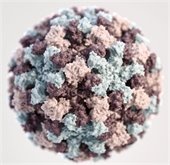
Norovirus up close

Norovirus

Norovirus is a highly contagious virus that can be spread through the vomit or diarrhea of an infected person. Norovirus spreads rapidly in a small environment, such as within a home, dormitories, day care centers, schools and nursing homes. Symptoms of Norovirus include diarrhea, projectile vomiting and stomach pain usually lasting for 1-2 days. Someone who has Norovirus can be contagious for up to 2 weeks after they have recovered from symptoms. 

 Norovirus can be spread by infected individuals touching objects, surfaces, sharing or handling food. It can also be spread through airborne vomit particles, which can stay airborne for days. A very small amount of norovirus can make you sick. The number of virus particles that fit on the head of a pin is enough to infect over 1,000 people. 

Someone who is infected should not work with food while they have symptoms and up to 3 days after recovery. Wash your hands well with soap and water and carefully wash fruits and vegetables. During an outbreak, sanitize non-porous surfaces with a bleach solution of 1/3 – 1½ cups bleach per gallon of cold water. Always follow manufacturer instructions for exact concentration. Then follow that up with your regular steps for sanitizing. 

There is no medicine to take for Norovirus, but it is important to drink fluids to avoid dehydration and visit a healthcare provider if your symptoms are severe. Further information can be found on the Center for Disease Control (CDC) Norovirus page. 

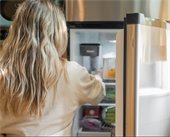
Woman taking the temperature of refridgerator

What to do after a Power Outage

Loss of electricity for a long amount of time means that Time/Temperature Control for Safety (TCS) foods are not being kept at the temperatures they need to prevent the growth of bacteria. Keep refrigerator and freezer doors CLOSED to keep them as cold as possible.

When the power comes back on:

  • Throw away any TCS foods above 41°F.
  • If you do not know the time the power went out, throw the food away. When in doubt, throw it out!
  • Frozen TCS foods should be thrown away if they have thawed, and their temperature cannot be verified to have remained below 41°F. 

If you have any questions, please call the Snohomish County Health Department Food Safety team voicemail line at 425-339- 8730 or email Food.Safety@snohd.org.

Notify Me

Sign up to receive this newsletter using the Notify Me page.

Share on Facebook
Share on Twitter
Share via Email

Snohomish County Health Department
3020 Rucker Ave., Everett, Washington

Powered by
CivicSend - A product of CivicPlus