OSS contractor newsletter banner image (black septic tank in soil)
septic smart seal

September 15th, 2025

Hello oss Industry Professionals,

We are sending this special edition to kick off Septic Smart week, an annual program by the EPA that brings attention to the importance of caring for and maintaining septic systems. Typically, this week focuses on the actions of homeowners, but we’d like to highlight your role in protecting water quality in our community. You can't always see the impact of your work right away, but it makes a big difference! Your work in the septic industry plays a role in:

  • Protecting drinking water wells
  • Protecting people and pets from surfacing sewage
  • Keeping beaches, lakes and other recreational areas open
  • Preserving habitats for aquatic life
  • Keeping shellfish safe to eat

Check out the information below to learn how septic systems are impacting water quality in an important ecological region in our county.

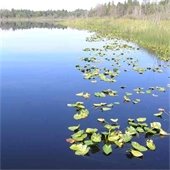
Water body

POLLUTION IDENTIFICATION & CORRECTION IN SNOHOMISH COUNTY

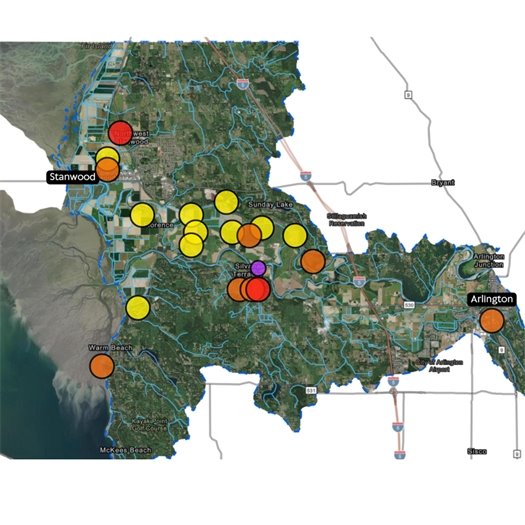
An important ecological region in Snohomish County is the Stillaguamish Watershed. There are approximately 5,600 septic systems in this area, about 40% of which are within 500ft of surface water. Many areas of the Stillaguamish watershed are impacted with fecal coliform bacteria. This includes fecal coliform pollution from all sources including livestock, pets, wildlife, as well as from humans due to failing septic systems. For this reason, the county has a Pollution Identification & Correction (PIC) program for the area shown in the map below. Multiple county programs and other organizations are working together to restore the health of the Stillaguamish River.  Your work in this region contributes to lowering fecal coliform pollution in these waters too. 

2014-2024 Poop Pollution for PIC Region

PIC waterway map

This map shows data from various testing locations that have had the most samples taken over the past ten years (at least 24 samples at each location except for one). The samples were tested for either fecal coliform bacteria (prior to 2021) or E. coli (after 2021) and include any sources of poop pollution whether from livestock, pets, wildlife, or humans.

What does each color mean?

___ SOME samples exceed bacteria criteria (11-30%)

___ MANY samples exceed bacteria criteria (31-50%)

___ SEVERAL samples exceed bacteria criteria (51-75%)

___ MOST samples exceed bacteria criteria (>75%)

Who else is working to address water quality in the PIC area?

Lakewise & Streamside Landowner programs: These county programs assist homeowners with protecting their local lakes and streams.

Surface Water Management: This county division works to protect and enhance water quality and aquatic habitat, minimize damage from flooding and erosion, and preserve water resources. 

Snohomish Conservation District: This organization works with others to promote conservation and responsible use of natural resources. They offer free education and technical assistance.

Health Department Savvy Septic Program: We are hosting Septic Care Workshops in Stanwood this fall to promote proper care & maintenance for septic system owners.

Stillaguamish Tribe: Conducts sampling and investigations for water quality issues within the Stillaguamish watershed.

Learn More 

Fecal coliform pollution is just one of the ways that failing septic systems can impact the environment. Check out the following resources to learn more. 

Pollution Overview

  • Septic System Impacts on Water Sources | EPA
  • How Do Failing Septic Systems Impact Water Quality? | SCHD

Nutrient Pollution

  • How Eutrophication Works | NOAA
  • Make Room for Algal Blooms | Department of Ecology

Pharmaceuticals & Personal Care Products

  • Man-made pollutants finding their way into groundwater through septic systems | USGS
  • Overview of Pharmaceuticals & Personal Care Products and Water Quality | PennState Extension 

Questions? Contact us!

Email: SHD-EHQ@snoco.org

Call: (425) 339-5250

Missed a newsletter? Past editions can be found on our For Contractors webpage. 

This project has been funded wholly or in part by the United States Environmental Protection Agency under assistance agreement PC-01J89801 to the Washington State Department of Health and under an assistance agreement to the Washington State Department of Ecology. The contents of this document do not necessarily reflect the views and policies of the Environmental Protection Agency, nor does mention of trade names or commercial products constitute endorsement or recommendation for use.

Share on Facebook
Share on Twitter
Share via Email

Snohomish County Health Department
3020 Rucker Ave., Everett, Washington

Powered by
CivicSend - A product of CivicPlus