|
|
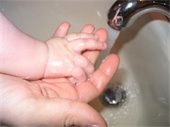
Wash Hands - Stay WellOctober 15th is Global Handwashing Day. Thoroughly washing hands with soap and running water is one of the best things that you can do to prevent children from becoming sick. Handwashing reduces cases of diarrheal and respiratory illnesses, and the number of missed school days. By teaching children when and how to wash their hands, you are setting them up for a lifetime healthy habit. Spend time this month to focus on handwashing and get ahead of cold and flu season. Here are a few tools to help you:
|
|
|
|
|
|
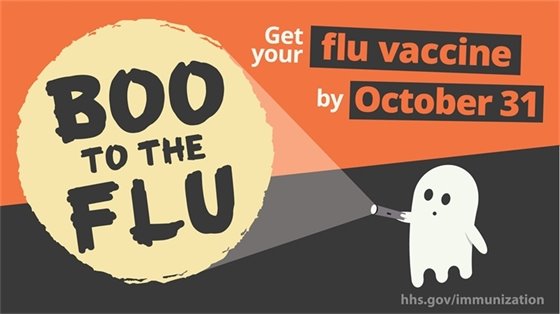
The time is now: encourage Flu vaccinesThe flu is more than just a bad cold: According to the Washington State Dept of Health, those under the age of 5 (especially those under the age of 2) are at higher risk of complications from flu illness. Now is a great time to remind families to get their yearly flu shots! Visit the DOH Flu Free in Schools and Child Care Facilities Toolkit for resources to share with parents and caregivers reminding them of the start of respiratory virus season and how to protect children from the flu! |
|
|
|
|
|
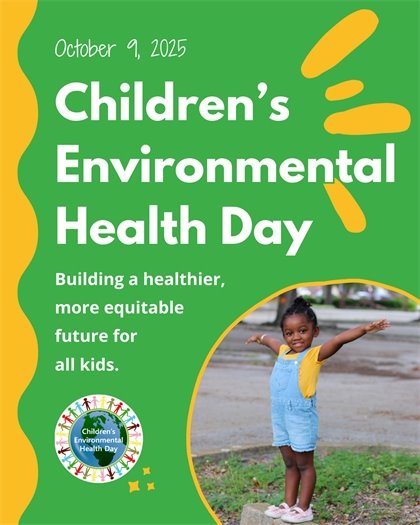
You can learn more about Children's Environmental Health Day by visiting their website. Take our new class to learn more about children's environmental health and things that you can do in your child care to protect children from environmental health hazards. Learn more below. |
|
|
|
Pest Management TipsThe child care licensing regulations (WAC 110-300-0255) state that "An early learning provider must have a pest control policy that emphasizes prevention and natural, nonchemical, low-toxicity methods where pesticides or herbicides are used as a last resort." This method of using natural ways to reduce pests (like getting rid of their sources of food and water) and using the least toxic ways to control them is known as Integrated Pest Management, or IPM. The Washington State Department of Health has recently updated its school IPM webpage - the information here is also relevant to child care and early learning settings. Here you can find general information on IPM as well as webpages, articles , and resources on various specific pests and what to do if you find them in or around your child care. For more information on pesticide policies and posting requirements for child care settings, visit the Washington State Department of Agriculture website. If you have specific questions, reach out to the Child Care Health Outreach Program environmental health specialist by sending an email to childcarehealth@co.snohomish.wa.us.
|
|
|
|
Earn Stars Credits with your Library!The Sno-Isle Libraries are offering multiple STARS-credit opportunities online and in person across multiple library locations. Current listings include courses from October 11th - November 15th. Visit the Sno-Isle Libraries Event Page for more information including course descriptions and sign-up links.
|
|
|
|
|
|
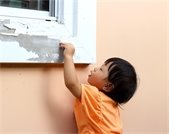
National Lead Poisoning Prevention WeekOctober 19 - 25, 2025 is National Lead Poisoning Prevention Week. Children under the age of 6 years old are most at risk for lead poisoning. It is important that we protect children from lead exposure. These exposures come from a wide variety of sources. |
|
|
|
|
|
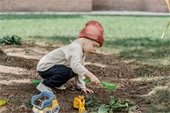
Free Soil and Toy Screenings through the Washington Choose Safe Places ProgramPlaying outside is an important part of childhood that keeps children active. However, children can sometimes play on soil or with toys that have harmful chemicals like lead or arsenic. Children are especially sensitive to these chemicals, and even small amounts of lead and arsenic may harm their health. Testing soil and toys for lead and arsenic is the best way to know if they contain these chemicals. The Washington Choose Safe Places program offers FREE soil and toy testing for Early Care and Education centers! Collecting a soil sample is simple. You just need a quart-sized plastic bag and a spoon. Watch this short video to learn how to collect a sample - How to collect a soil sample. After you collect the soil sample, fill out a Soil or Toy Screening Intake Form and mail it with your soil sample or toy to: Washington State DOH
Attn: Elmer Diaz, Central Receiving
111 Israel Rd SE
Tumwater, WA 98501 We will screen your soil sample or toy for lead and arsenic and email you your results. We will give you tailored advice based on the level of contaminants in your soil or toys. Together we can protect children’s health. Questions? Email us at wcsp@doh.wa.gov
|
|
|
|
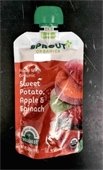
RECALLED Baby FoodOne lot of Sprout Organics® Sweet Potato Apple and Spinach pouches has been voluntarily recalled by the manufacturer because the product may contain elevated levels of lead. You can get more information about this recall on the FDA website. Sprout Organics Voluntarily Recalls One Lot of Sweet Potato Apple and Spinach Due to Possible Health Risk | FDA. The affected product was sold in our region at Walgreens and carries lot codes of: - 4212 with expiration date of 10/29/2025
- 4213 with expiration date of 10/30/2025
- 4282 with expiration date of 12/04/2025
- 4310 with expiration date of 02/04/2026
Other lots and expiration dates are not affected by this recall.
|
|
|
|
Other LEad RecallsPots and Cookware - The U.S. Food and Drug Administration (FDA) is warning retailers and consumers not to sell or use certain imported cookware that may leach significant levels of lead (Pb) into food. Some types of imported cookware products made from aluminum, brass, and some aluminum alloys have been tested and found to leach lead into food when used for cooking, thereby making food unsafe. Ground Cinnamon - An additional ground cinnamon product, Jiva Organic Ground Cinnamon, was added to the FDA's recall list of products that contain elevated levels of lead. Check out the updated alert from the FDA about ground cinnamon products. |
|
|
|
Children who may have been exposed to lead from these or other sources should be referred to their health care provider for possible blood lead testing. For more information about lead, please reach out to the Snohomish County Health Department at leadprogram@co.snohomish.wa.us or visit our website at www.snohd.org/lead. |
|
|
|
|
|
|
|
We appreciate your patience as we continue to update our courses to enhance your learning experience. Classes are being offered AT NO COST at this time. For questions about our online classes, contact our team at ChildCareHealth@co.snohomish.wa.us or via phone at 425.252.5415. |
|
|
|
This Month's Featured Classes
|
|
|
|
|
|
Children's Environmental Health Basics - NEW!
In this course you will learn some basic information about several different children’s environmental health topics including water, soil, air, and chemical exposures. You will receive information about what you can do to keep your child care or early learning program site safe and healthy for the children in your care. This presentation was developed in collaboration with the Washington State Department of Health WIIN and WCSP programs. Class offers 2 STARS Credits. Register Here |
|
|
|
|
|
Childhood Lead Poisoning Prevention
Lead remains a problem in Washington State and Snohomish County. This course is designed to educate child care providers and staff on how to keep children and families safe from the harmful effects of lead. Did you know there is no safe level of lead? In this course you will learn where lead was historically used, where it is currently still found, and simple steps you can take to protect children and families from the effects of lead poisoning. Class offers 2 STARS credits.
Register Here |
|
|
|
|
|
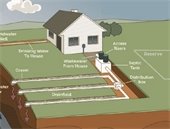
Septic Care Class for Home Child Cares in Snohomish County This course is specifically designed for Snohomish County child cares with a septic system. Please make sure this course is appropriate for your situation before registering. Child cares with septic systems are responsible for protecting the health and safety of children in their care from potential risks. Learning how to best care for your system will help create a safe child care environment. This self-paced course will cover topics including how your system works, how to find your septic system records, best practices for care and maintenance, signs of a failing septic system, how to find septic contractors and what to expect, and financial assistance options for septic systems. Class offers 2 STARS credits. Register Here |
|
|
|
Contact InformationSnohomish County Health Department
3020 Rucker Ave., Ste. 202, Everett, WA 98201
Email: ChildCareHealth@co.snohomish.wa.us
Program Phone: 425.252.5415
Website: http://www.snohd.org/childcare
Received this as a forward? Sign up for our newsletter by clicking here.
The Child Care Health Outreach Program staff are available to consult with you on these and other health, safety, and nutrition topics by phone, by email, or at your child care facility. |
|
|
|








 Share on Facebook
 Share on Twitter
 Share via Email
