|
|
Building Resilience in the Classroom Children are learning how to navigate big emotions, particularly when they face a stressful or frustrating situation. Reactions to big emotions can look different for each child. This may include kicking, yelling, throwing toys, or hiding under the table. As an early childhood educator, you play an important role in helping children effectively work through their big emotions. Modeling and teaching appropriate skills to manage emotions helps children build resilience. This means fewer challenging behaviors in the classroom, an increased ability to “bounce back” after a stressful situation, improved well-being and mental health, and an increased ability to focus on learning in the classroom. Although it takes time to build resilience, there are many strategies you can use to promote and strengthen these skills in your classroom: - Create a safe and supportive environment.
- Show genuine care and compassion.
- Model and teach skills that help children appropriately interact and play with their peers.
- Help children understand and express their big feelings appropriately.
- Read books about feelings, emotions, and topics that provide techniques children can use to handle challenging situations.
- Incorporate calming and mindful exercises throughout the day.
- Display a daily schedule in the classroom so children are aware of the routine.
- Provide warnings before transitions and enough time so that children do not feel rushed.
- Provide a quiet, calming area where children can go if they need a break.
Follow the link for more tips on building resilience in your classroom: 5 Ways to Help Children Build Resilience in the Early Childhood Classroom (kaplanco.com)
|
|
|
|
‘Tis the Season for Seasonal Affective Disorder (SAD) As the seasons change and daylight decreases, some people experience a noticeable drop in mood, energy, and motivation. When these changes happen regularly during certain times of year—most often in fall or winter—and begin to lift when daylight returns, they may be related to Seasonal Affective Disorder (SAD). SAD is a form of depression connected to seasonal patterns, not just a temporary case of feeling “down". Symptoms can vary, but often include feeling low or irritable, having less energy, changes in sleep or appetite, and losing interest in activities that are usually enjoyable. These symptoms can make everyday tasks, school, work, or relationships feel harder to manage. If these seasonal changes occur year after year and interfere with daily life, it may be helpful to seek professional support. Tips and resources: - Talk with your primary care provider or a mental health professional for evaluation and guidance
- Bright light therapy (using a clinically recommended light box)
- Therapy options such as Cognitive Behavioral Therapy (CBT)
If immediate support is needed: - Call or text 988 (Suicide & Crisis Lifeline, U.S.)
- Text HOME to 741741 (Crisis Text Line)
For more information, visit the National Institute of Mental Health's (NIMH) Seasonal Affective Disorder (SAD) webpage, or download their Seasonal Affective Disorder (SAD) Fact Sheet.
|
|
|
|
Screen Time and Young CHildren - A ToolkitHealthy relationships with media start in early childhood. The American Academy of Pediatrics Center of Excellence on Social Media and Youth Mental Health presents the Early Childhood Development and Screen Time Toolkit, developed for use by early childhood educators, child care providers, early interventionists, home visitors, pediatricians, or other professionals who support families with young children. Featuring tip sheets, social media messages, infographics, posters, and more we invite you to use these resources to build your knowledge about screens and early childhood and engage effectively with families. www.aap.org/EarlyChildhoodScreenTime.
|
|
|
|
A MESSAGE FOR PARENTS About IllnessWhen parents keep children with symptoms of illness home, everyone stays healthier. Child care providers may choose to share the following information with families through newsletters, parent boards, child care apps, or other means. To keep everyone healthy, including the teachers, it is very important that parents keep ill children home. Here are some helpful tips for families: - Keep children with symptoms of illness at home.
- Take the time in advance to arrange for back-up care in the event that their child becomes sick. Are there family members, friends, or close neighbors that could watch their ill child?
- Be familiar with their employer's sick leave policies.
- Have a back-up plan if they are unable to leave work to pick up their sick child. Make sure the child care has the required paperwork to allow this person to pick up.
- Get clear, written instructions from the child's health care provider if the child needs to have medication administered during child care hours.
- Take steps at home to keep their child healthy, including frequent handwashing, serving healthy meals, drinking plenty of water, getting good sleep and lots of exercise and fresh air, and keeping up with immunizations and well-child checkups.
The Washington State Department of Health has guidance on when to stay home if there are symptoms of respiratory illness. Here is a link: Do You Have Respiratory Virus Symptoms? | Washington State Dept. of Health |
|
|
|
|
|
|
|
Children who may have been exposed to lead should be referred to their health care provider for possible blood lead testing. For more information about lead, please reach out to the Snohomish County Health Department at leadprogram@co.snohomish.wa.us or visit our website at www.snohd.org/lead. Child care providers can: |
|
|
|
|
|
|
|
We appreciate your patience as we continue to update our courses to enhance your learning experience. Classes are being offered AT NO COST at this time. For questions about our online classes, contact our team at ChildCareHealth@co.snohomish.wa.us or via phone at 425.252.5415. |
|
|
|
This Month's Featured Classes
|
|
|
|
|
|
Children's Environmental Health Basics
In this course you will learn some basic information about several different children’s environmental health topics including water, soil, air, and chemical exposures. You will receive information about what you can do to keep your child care or early learning program site safe and healthy for the children in your care. This presentation was developed in collaboration with the Washington State Department of Health WIIN and WCSP programs. Register Here |
|
|
|
|
|
Childhood Lead Poisoning Prevention
Lead remains a problem in Washington State and Snohomish County. This course is designed to educate child care providers and staff on how to keep children and families safe from the harmful effects of lead. Did you know there is no safe level of lead? In this course you will learn where lead was historically used, where it is currently still found, and simple steps you can take to protect children and families from the effects of lead poisoning.
Register Here |
|
|
|
|
|
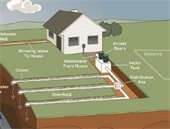
Septic Care Class for Home Child Cares in Snohomish County This course is specifically designed for Snohomish County child cares with a septic system. Please make sure this course is appropriate for your situation before registering. Child cares with septic systems are responsible for protecting the health and safety of children in their care from potential risks. Learning how to best care for your system will help create a safe child care environment. This self-paced course will cover topics including how your system works, how to find your septic system records, best practices for care and maintenance, signs of a failing septic system, how to find septic contractors and what to expect, and financial assistance options for septic systems. Register Here |
|
|
|
Contact InformationSnohomish County Health Department
3020 Rucker Ave., Everett, WA 98201
Email: ChildCareHealth@co.snohomish.wa.us
Program Phone: 425.252.5415 (please leave a message and we will get back to you shortly)
Website: http://www.snohd.org/childcare
Received this as a forward? Sign up for our newsletter by clicking here.
The Child Care Health Outreach Program staff are available to consult with you on these and other health, safety, and nutrition topics by phone, by email, or at your child care facility. |
|
|
|
|
|











 Share on Facebook
 Share on Twitter
 Share via Email
