Winter banner

Issue 24                                                                                                      December 2025

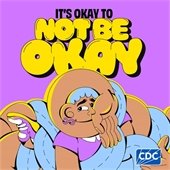
"It's okay to not be okay" graphic

free mind campaign

“It’s okay to not be okay,” a key appeal to youth from CDC’s newest campaign effort to connect young people to resources on mental health, substance use, and drug overdose prevention. In support of this mission, CDC has launched the Free Mind campaign —a research-based initiative designed to educate youth on the impact of substance use and promote open conversations with their parents and caregivers about mental health challenges.

Recognizing that substance use disorders can co-occur with mental health conditions like anxiety and depression, it is essential to provide teens with the tools to navigate these challenges. Breaking the stigma surrounding mental health and substance use can encourage more young people to seek the support they need and help to prevent overdose deaths. Learn more about the Free Mind campaign by visiting www.cdc.gov/freemind.

If you or someone you know is struggling, call or text the Suicide and Crisis Lifeline at 988 for free and confidential support.

Print-ready fact sheets:

  • Free Mind Connection Between Teen Drug Use Fact Sheet
  • Free Mind Fake Pills Fact Sheet  
Three friends enjoying the sunshine

CHILD FATALITY REVIEW DATA AND RECOMMENDATIONS IN SNOHOMISH COUNTY

Children are the future of our community. We all play a role in keeping them safe and helping them to thrive. The untimely loss of any child’s life is a tragedy for the child’s family and our community – especially when the loss is preventable. Understandably, when a community is affected by a child’s death, it wants answers about how and why the child died. These answers can help communities have a clearer understanding of underlying risk factors and inequities that they may not identify otherwise.

To better understand how we can prevent child fatalities, the Snohomish County Health Department uses a process known as Child Fatality Review (CFR) to examine the circumstances so we can identify risk factors and prevention interventions. The information collected through the review process informs recommendations for data-driven prevention strategies. Data tells the story and helps us determine action and priority. To learn about child fatality data and recommendations in Snohomish County, visit https://www.snohd.org/1821/Child-fatality-review-and-prevention. If you have any questions about CFR, contact Wendy Burchill at wendy.burchill@co.snohomish.wa.us.

state mandatory suicide prevention training

Is it time to obtain or update your CEUs with the State mandatory suicide prevention training? Legislation (RCW 43.70.442) requires that health professions, including school nurses and mental health professionals, take a suicide prevention course that meets their hour and content requirement before the end of the next full continuing education reporting period. Implementation dates vary by profession. For specific questions about your own suicide training requirements or whether a particular training is appropriate for your health profession, please contact the program manager or executive director of your profession's board or commission. Please visit the WA State DOH for all you need to know about this requirement including a list of trainings found here: Suicide Prevention Training for Health Professions | Washington State Department of Health. 

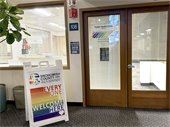
Clinic office entrance

accessing healthcare for youth

Did you know that Washington State has specific consent laws that help young people access important health services? As professionals working with youth, being familiar with these laws can help you guide students to the support they need. 

  • Did you know? Youth 13 years and older can seek mental health services on their own.
  • Did you know? Youth 14 years and older can access confidential STI testing and treatment.
  • Did you know? People of any age can request birth control.

If a student is looking for services, you can connect them with your school’s health center. If your school doesn’t have one, the Snohomish County Health Department Public Health Clinic (pictured on the top left) offers multi-site STI testing for chlamydia and gonorrhea, HIV testing, syphilis testing, physical exams, and treatment for chlamydia, gonorrhea, and syphilis for individuals and their partners.  

If you would like to learn more about STI education and free condom distribution, please email Health Educator, Kayla, at kayla.sullivan@co.snohomish.wa.us.   

Resources: 
  • Snohomish County Health Department Public Health Clinic
  • Health care for minors | Washington Law Help
  • Search | Teen Link
Happy Holidays graphic

The Healthy Communities team at Snohomish County Health Department wishes you a safe, healthy and happy holidays!

Share on Facebook
Share on Twitter
Share via Email

Snohomish County Health Department
3020 Rucker Ave., Everett, Washington

Powered by
CivicSend - A product of CivicPlus