Food For thought Newsletter Winter 2026 Header
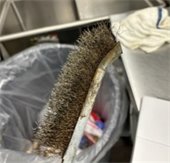
Old wire Grill Brush

Wire Grill Brush Safety

Grill brushes are commonly used to scrub char, burned grease, and bits of food off a grill. Grill brushes are most often used on BBQ grills, Gas Radiant Char broilers, and have recently been seen as a tool to scrape out woks.

A food safety concern with wire grill brushes is that with frequent or heavy use, the metal bristles can break off. These metal pieces are often not seen on equipment surfaces and can make their way into the food during cooking. When a customer eats the contaminated food, the resulting injuries can be severe as the bristles can act like needles within the body. This can lead to severe punctures, perforations, required surgery, sepsis and even death.

To reduce the risk of this type of injury, wire brushes must be frequently inspected. A food worker must visually inspect it before and after use and must wipe the grill, pans or wok surface off to make sure any loosened wires are removed before the food is cooked. 

A more effective way to prevent injury is to switch to a different type of utensil that does not have breakable metal pieces. There are scrapers with ridges and steam scrapers where you add moisture for scrubbing. There are also coiled scrapers, that are made from a very long piece of metal coiled up so the risk of breakage is much lower. 

For more information on preventing physical hazards such as this, contact your area inspector or email the Food Safety Team at food.safety@snoco.org.

Dispose of Fats, Oils and Grease Properly

Many common business activities cause pollution to enter local groundwater, ponds, rivers, and Puget Sound. Pollution like plastic bags or single use silverware is easy to see, and we can easily imagine its effects. Pollution like spilled grease or soap in mop water can be difficult to see, and the effects can be missed. Storing and disposing of waste according to local laws is an important part of keeping our communities healthy and safe.

The most common waste from restaurants and mobile food vendors is Fats, Oils, and Grease (FOG) found in things like meat, butter, cooking oil, sauces, and food scraps. FOG should not go down the drain. It can stick to drains and sewer pipes, causing expensive blockages.

Grease interceptors and grease traps catch FOG before it reaches the sewer, reducing the risk of clogged pipes. Grease traps are usually located under sinks in dishwashing areas, and Grease Interceptors are large underground vaults found outdoors. Regular maintenance and cleaning are required to keep these tools working properly.

Storm drains in streets and parking lots are only meant to control the flow of rainwater in populated areas, not the water quality. These drains connect to the nearest creek, river, or other body of water with NO water treatment. The storm drain system is ONLY for collecting rainwater and any other sources of water and pollutants are prohibited from entering the storm drain under penalty of law. Violators of environmental regulations can be fined up to $10,000 per day by State, County, and City regulators.

How to keep FOG out of drains and storm drains:

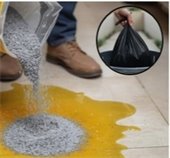
man cleaning up cooking oil spill with cat litter and then throwing that in the garbage
  • Do not pour grease, food waste, mop water, or anything else down the storm drain.
    • Wash kitchen mats indoors near a floor drain or in a utility sink.
    • Wash hood filters in a sink connected to the sanitary sewer system or in a container. Dump the container of dirty wash water down the sink.
  • Maintain grease interceptors and grease traps, which are used to catch FOG before it can reach the sewer.
  • No liquid waste in the garbage. Mix an absorbent like kitty litter into liquid wastes until they are the consistency of cooked oatmeal to throw it away.
  • Spills must be cleaned up immediately with towels or an absorbent. The absorbent materials must be laundered or bagged and disposed of in your garbage dumpster.
  • Keep all outdoor used cooking oil bins clean.
  • Sweep your garbage area and parking lot regularly. Keep trash bins covered. If your dumpsters leak, contact the hauling company to request a new one.
  • Mobile food units must hold ALL wash water on board until it can be properly disposed of into the facility or commissary sewer connection.

Updated Certified Food Protection Manager Toolkit 

The Washington State Department of Health (DOH) has updated the Certified Food Protection Manager (CFPM) toolkit. This new toolkit provides more guidance on how to meet the CFPM requirement and the main concepts to train employees at a food service establishment.

This toolkit is not something that must be filled out and turned in. It was created to help guide establishments in Active Managerial Control (AMC). This concept focuses on preparing for and preventing issues before they occur. This approach helps to reduce Food Borne Illnesses, which can have lasting consequences. 

To become certified, a person is required to pass one of the American National Standards Institute (ANSI) approved FOOD MANAGER tests. This is a list of the different ANSI approved courses that will meet the CFPM Requirement. 

The Washington State Department of Health has many other helpful tool kits available, in multiple languages.

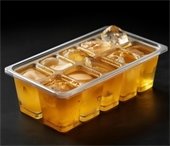
Ice cubes made from broth

Cooling Tip

One way to cool broth quickly is to add previously frozen “broth cubes” to the hot broth. This prevents the broth from getting too watery like it would if you used ice. Make sure to clean and sanitize the ice cube trays between uses, just like any other pan or dish.

Man with a stomachache

Norovirus

Norovirus is a highly contagious virus that can be spread through the vomit or diarrhea of an infected person. It can also be caused by raw or undercooked shellfish. Norovirus spreads rapidly in a small environment, such as within a home, dormitories, day care centers, and nursing homes. This is why it’s often associated with cruise ships and can show up during the holiday season. Symptoms of Norovirus include diarrhea, projectile vomiting and stomach pain usually lasting for 1-2 days. Someone who has Norovirus can be contagious for up to 2 weeks after they have recovered from symptoms. 

Norovirus can be spread by infected individuals touching objects, surfaces, sharing or handling food. It can also be spread through airborne vomit particles, which can stay airborne for days. A very small amount of norovirus can make you sick. The number of virus particles that fit on the head of a pin is enough to infect over 1,000 people.

Someone who is infected should not work with food while they have symptoms and up to 3 days after recovery. Wash your hands well with soap and water, carefully wash fruits and vegetables and cook shellfish thoroughly before eating. During an outbreak, sanitize non-porous surfaces with a bleach solution of 1/3 – 1½ cups bleach per gallon of cold water. Always follow manufacturer instructions for exact concentration. Then follow that up with your regular steps for sanitizing. There is no medicine to take for Norovirus, but it is important to drink fluids to avoid dehydration and visit a healthcare provider if your symptoms are severe. Further information can be found on the Center for Disease Control (CDC) Norovirus page. 

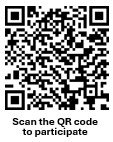
QR code which leads to https://uwashington.qualtrics.com/jfe/form/SV_6lhzhYQV4bUy47Q

Share Your Input: 

Organic Waste Management Survey

You may have already received an email, letter, or in-person visit about this survey, but this is a reminder that all Snohomish County food establishments are invited to complete a 10–15-minute voluntary survey about your organic waste management practices. Your insight will help us better understand day-to-day challenges related to organic waste and identify ways to better support food establishments. 

This survey is being done in collaboration with the University of Washington, is completely confidential and voluntary, and includes an optional raffle for one of five $50 online retailer gift cards.

Notify Me

Sign up to receive this newsletter using the Notify Me page.

Share on Facebook
Share on Twitter
Share via Email

Snohomish County Health Department
3020 Rucker Ave., Everett, Washington

Powered by
CivicSend - A product of CivicPlus