Be Creative, Build Trust to Improve Health, Outgoing Department Director Says
After two-and-a-half years at the helm, Dennis Worsham stepped down as director of the Snohomish County Health Department to become Washington’s new Secretary of Health. In an interview during his final week at the department, Worsham reflected on his achievements and the challenges ahead.
What message would you like to leave with Health Department staff?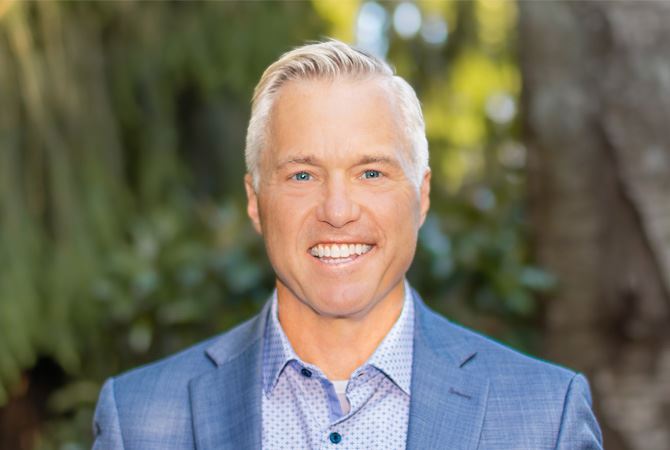
Worsham: It has been a great ride. The time went really fast, but I do think we’ve accomplished some great things together. It's been a very healing place for all of us coming out of COVID. We've leaned into some of our values about belonging and inclusion to do really good work.
What are you most proud of?
Worsham: The relationships I've gained here. Many people did influence me personally and also in my leadership and I will definitely take that with me. I'm extremely proud of the work we've done around advancing equity. I feel that we have come a long way in two-and-a half years. We've strengthened the Community Equity Advisory Board, where a lot of trust has been established. We have created a strategic plan that has its pillar focused around racial and health equity. All of our objectives have inclusion, belonging and equity as part of the strategies. We have built some wonderful momentum.
Any regrets?
Worsham: I generally don’t live in a place of regrets. My value is that there is a time and a purpose for all things and when we are given the mantle to serve in whatever capacity, our job is to figure out what to do during that time. I wish I would have served here more than two-and-a-half years. It’s been such a great experience.
What will you miss most about working at a local health department?
Worsham: We are closest to the community. The relationships that we build are really what changes health. It's near and dear to my heart – building that trust and collectively moving people to better health, especially people who have been historically marginalized or have suffered from racism, homophobia, transphobia. The power that you have at the local level is far more important in serving the local community than what we are able to do at the state and even federal level. That is a badge people should wear with honor.
What advice do you have for navigating the challenges that lie ahead?
Worsham: Be creative. You have to stay adaptive to the environment in which you're working and find new ways to do work and develop partnerships. Most important for me was to really “trust your gut.” There are two ways of “being,” in my opinion: when we are responsive in a fear-based way and/or when we're responsive in what I deem as a “love” way. If we are going to be in a space of fear, nothing good comes from that.
COVID was a really challenging time for us. Unfortunately, we got caught up in the political quagmire of the divisiveness in our country. Public health became a product of that. And we've got to rise above that. We’ve got to figure out how we're going to build trust and reach across all parts of the communities, whether they align with us politically or not. The ultimate goal is to figure out how to improve the health of the population regardless of where people are at. No matter who and were people are coming from, find what we have in common, start there, and build trust. We can't just say, “because the science tells us to,” or “this is the best practice.”
What are your goals as new WA Secretary of Health?
Worsham: I'm formulating those right now. What’s important to me in my first 100 days is really to listen, not only to what's going on with the workforce internal to the department, but also to strategic partners and key partners in our public health system. What is the experience of locals and what do they need for us to advance as a system? Our tribal health partners, our State Board of Health – they make up our government system. How do we strengthen that together and hear what the needs and perceptions are, so that we can learn in those areas? We'll have to do that with our health care partners and with our community partners – in particular around our equity journey and with our community-based organizations.
I bucketed some areas where I will stay curious and ask questions, and then will come out with a plan within 100 days on what those priorities will be. One will be around the governmental public health system and how to strengthen it through this challenging time. And how we best work together in shared decision-making to get to the best outcome, working also with health care partners in assuring access and affordability. Another area that will be of high importance to me is advancing our health equity journey and making sure that the policies, the funding that we implement as a system, does not do harm and that we are closing those disparity gaps in an intentional way.
When will you come back to Snohomish County?
Worsham: I’m going to be doing these listening tours, so maybe I can schedule Snohomish County first. I’m deeply committed to the success of this department. I will be involved with the reviews of the new director – I want to make sure we get a great new director. As things arise, I want Snohomish County to be “truth tellers” and help me to succeed in leading the system. I’m happy to come back whenever I’m invited and wherever I can be helpful.